The 2026 Cost-of-Living Reset: What Changed and What Comes Next

The inflation emergency is over, but the emergency it created is not. Headline price growth has fallen to roughly 3 percent, a level that would have felt normal a decade ago. Yet grocery bills, rent renewals and utility statements still land harder than they did five years ago, because prices rarely fall back to where they started. Understanding the gap between the rate of inflation and the level of prices is the first step toward making sense of 2026.
Why the headline number feels wrong
Inflation measures how fast prices change, not how high they have climbed. A 3 percent annual rate applied to a basket that is already 20 percent more expensive than in 2021 still leaves families paying far more than they remember. Economists call this the difference between the first derivative and the level. Households call it the reason a normal supermarket run costs more than it used to.
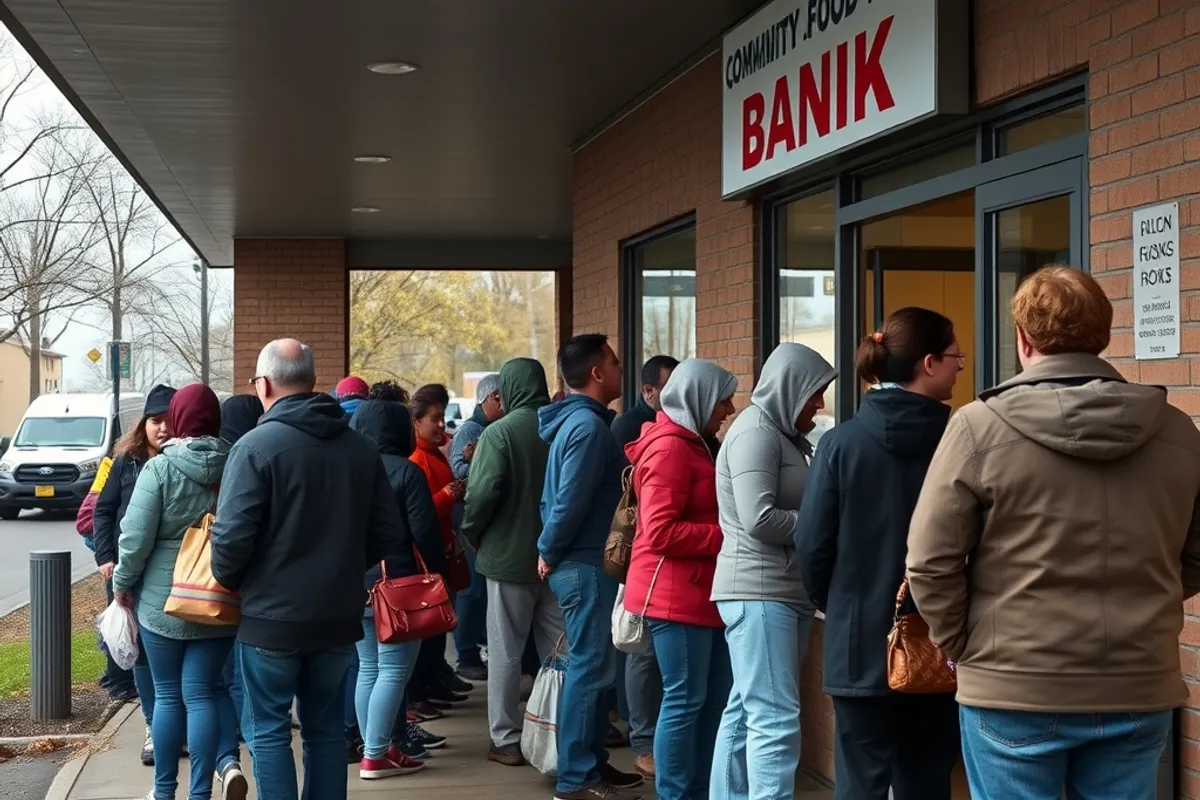
The gap is widest in categories people cannot avoid. Food bought at home, electricity, insurance and rent make up a larger share of spending for lower-income households, so a cooling average can coexist with a budget that still feels tight. That is why surveys consistently find consumer sentiment weaker than the official inflation rate would suggest.

Where the money actually goes
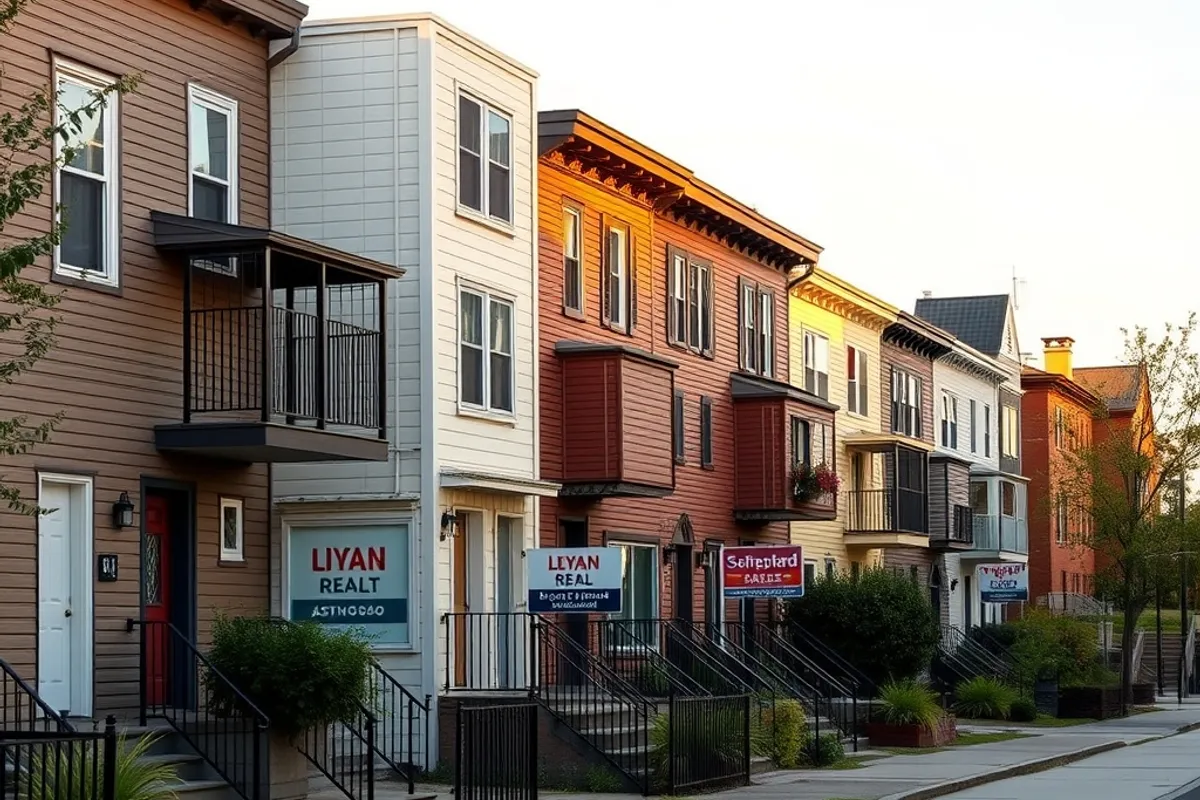
Housing remains the largest single pressure. Shelter inflation, which lags market rents by a year or more, has only recently begun to ease in the official data. In fast-growing metros, rents rose faster than wages for three straight years, forcing younger workers to double up or move farther from job centers. The commute is not free, so the apparent saving often disappears at the fuel pump or the transit fare.
Energy is the second swing factor. After two volatile years, household electricity bills have stabilized in some regions and climbed in others, depending on how much local generation depends on gas. Food prices have stopped sprinting but remain structurally higher because of labor costs, packaging and climate-driven supply shocks. None of these are temporary line items that will simply reset.
"The rate of inflation has cooled. The level of prices has not. Budgets live with the level."
The wage side of the equation
There is genuine good news. Average hourly earnings have grown faster than prices for most of the past year, and the gains are strongest in lower-wage service jobs where shortages persist. For a household that stayed employed and did not move, real purchasing power has improved modestly. The problem is distribution: raises cluster among workers who can switch jobs, while retirees, part-time workers and people on fixed benefits see no such bump.
What policymakers got right, and wrong
Central banks were slow to react in 2022 but eventually raised rates hard enough to break the spiral without triggering mass layoffs, a outcome that looked unlikely at the time. Fiscal support kept households afloat during the worst months. The mistake was underestimating how long shelter and services inflation would persist, and how unevenly the pain would be felt.
State and local governments are now experimenting with targeted relief: grocery tax holidays, utility assistance and rent stabilization in a handful of cities. The evidence on each is mixed. Broad price controls tend to backfire; targeted transfers help the people who receive them but do little for the middle of the income distribution, which is where political pressure is loudest.
The regional divide
National averages hide wildly different experiences. A household in a coastal metro may be paying 40 percent more for housing than in 2021, while a household in a shrinking inland county sees flat rents and cheaper groceries but fewer jobs. Migration patterns reflect that gap: people are moving toward affordability, and employers are following them, slowly.
What to watch in the next six months
Three numbers matter most. First, shelter inflation in the official index, which should continue easing if market rents stay soft. Second, wage growth in leisure and hospitality, a leading indicator for service prices. Third, energy bills as summer demand peaks and utilities pass through infrastructure costs. If all three move in the right direction, the squeeze loosens. If housing stalls and energy spikes, the improvement stalls with it.
For households, the practical advice is unglamorous but effective: renegotiate insurance, audit subscriptions, lock in energy contracts where possible and treat any raise as a chance to rebuild a buffer rather than expand fixed costs. The emergency is over. The adjustment is not.

Related reading: our analysis of the housing debate and the global supply-chain map explain two of the forces behind these prices.