The New Trade Map: Supply Chains After the Great Rerouting
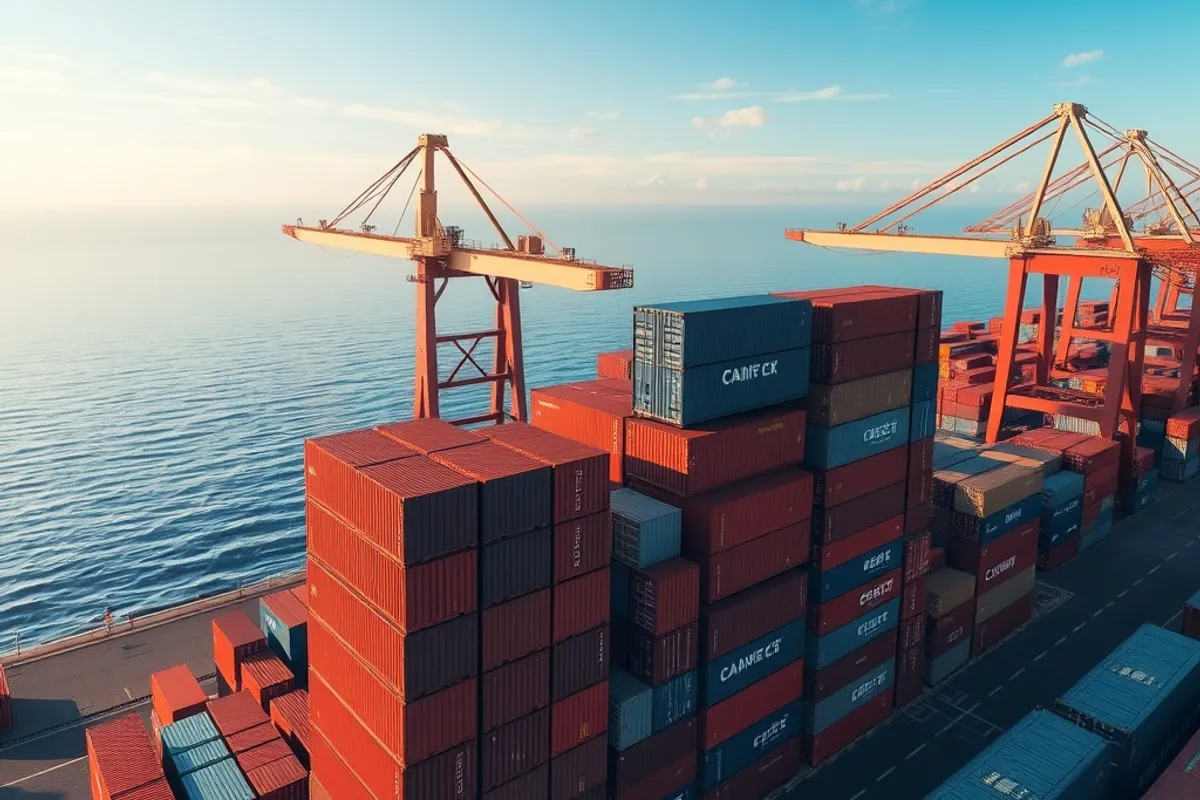
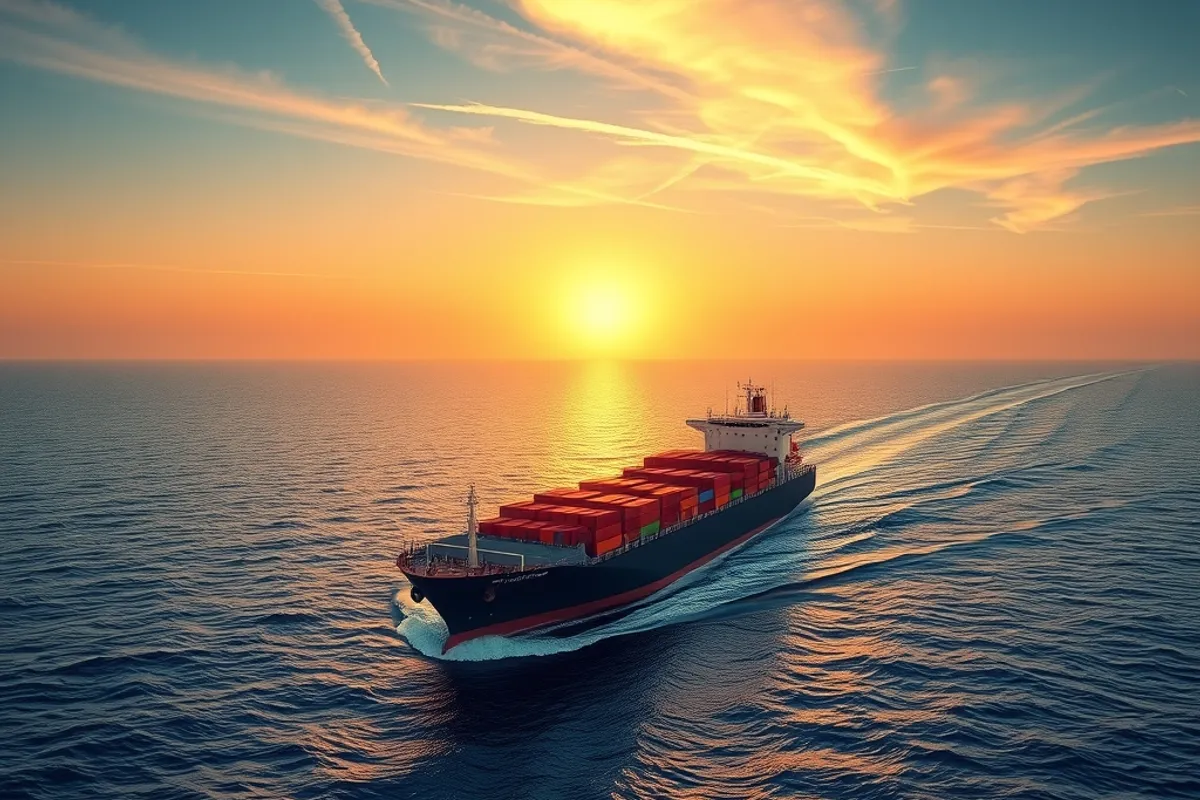
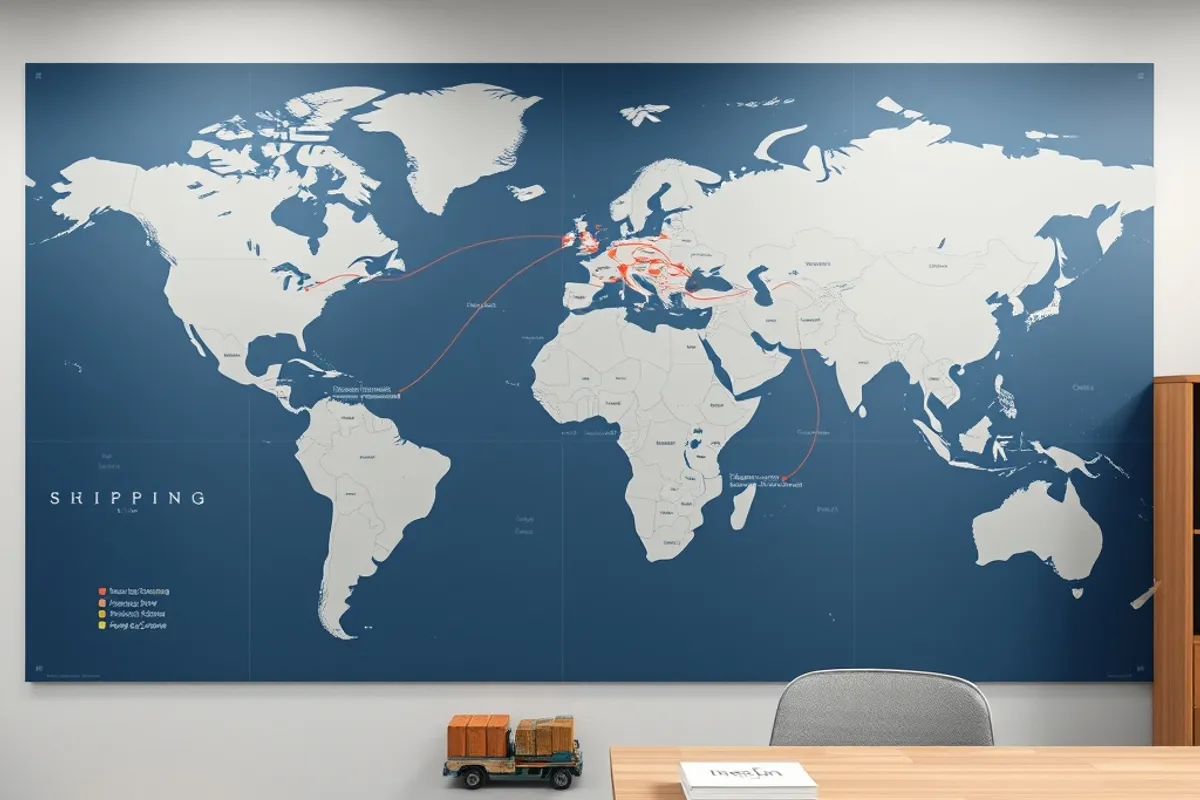
The container ship is the least glamorous object in globalization, and the most revealing. Follow one from a factory in Vietnam to a warehouse in Ohio and you see the entire reordering of world trade: new ports, new rail links, new insurance contracts, new political risk. The pandemic, the trade war and a series of shipping disruptions did not end globalization. They redrew its map.
From just-in-time to just-in-case
For thirty years, the dominant corporate religion was efficiency. Keep inventories low, source from the cheapest supplier, ship on the slowest affordable route. The pandemic broke that model in a matter of months, when a single factory shutdown in one country could halt production on another continent. Companies discovered that a supply chain optimized for cost is also optimized for fragility.
The response was not a retreat from trade but a diversification of it. Firms added second suppliers, moved assembly closer to customers and built buffer stock for critical parts. The phrase "China plus one" became a boardroom cliché, but the underlying shift is real: the share of US imports from China has fallen below 14 percent, down from 21 percent in 2018.
Where production actually went
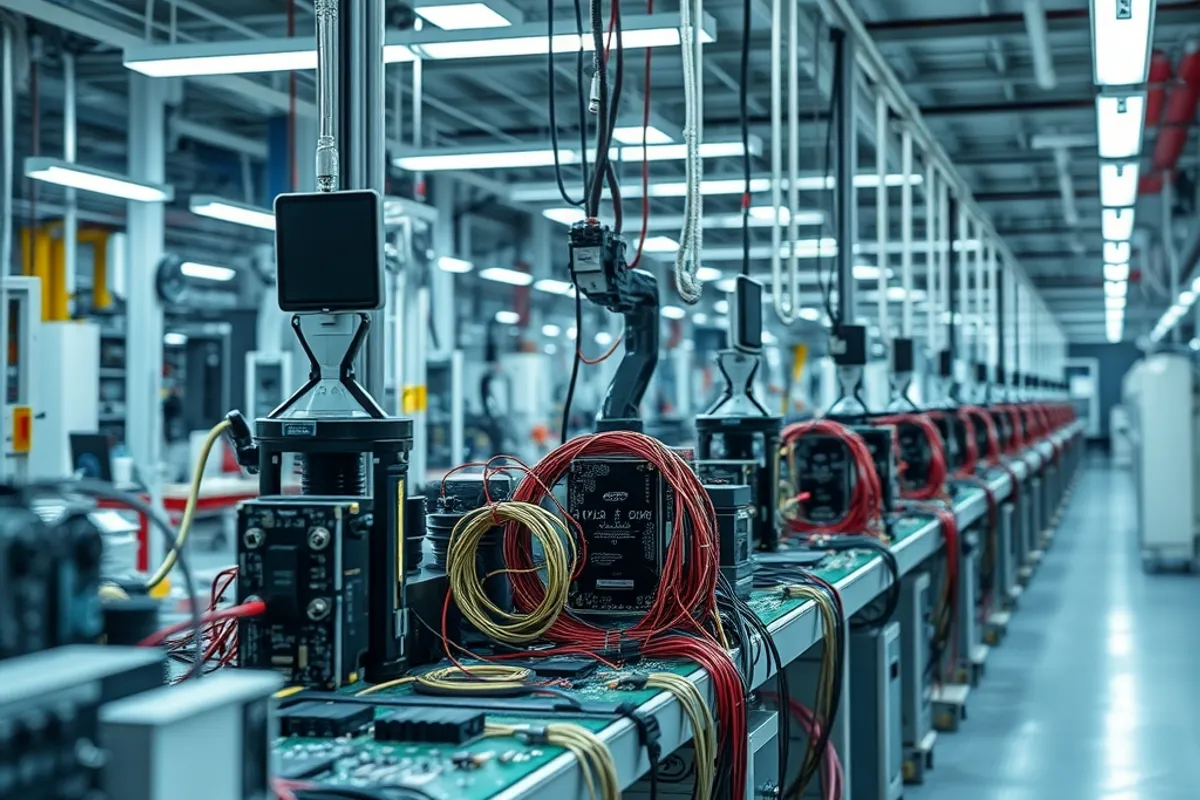
Not to one place. Vietnam, Mexico, India, Thailand and Eastern Europe all gained, often in different industries. Electronics assembly moved toward Vietnam and Malaysia; automotive parts toward Mexico; textiles toward Bangladesh and India. Each destination offered a different mix of cost, speed and political stability.
The result is a more fragmented map with more intermediate stops. A single product might contain components from four countries, assembled in a fifth and shipped through a sixth. That complexity adds cost and administrative burden, but it also spreads risk. When one route is disrupted, another can sometimes absorb the load.
"Globalization did not end. It became more expensive, more political and harder to see."
The cost of resilience
Diversified supply chains are not free. Companies report logistics costs 8 to 15 percent higher than under the old model, and those costs eventually reach consumers. Building a second factory or qualifying a new supplier takes years and significant capital. Smaller firms often cannot afford it at all, which concentrates advantage among the largest players.
There is also a skills problem. New plants need trained workers, reliable power and functioning ports. Some of the places that gained manufacturing fastest are now struggling with congestion and labor shortages. The infrastructure that made the old system efficient was built over decades, and it cannot be replicated overnight.
Ports and the politics of routes
Ports are the visible edge of the new map. Container terminals in Southeast Asia and Mexico are expanding, while some traditional hubs face slower growth. Shipping alliances have reorganized, changing which ports get direct calls and which become feeders. A port that loses a major alliance can see traffic fall within a single season.
Governments are responding with subsidies, security requirements and industrial policy. The United States, the European Union and China all now treat supply chains as strategic infrastructure. That politicization is one of the biggest changes of the past decade: trade routes are no longer chosen purely by cost, but also by alliance, resilience and national security.
What has not changed
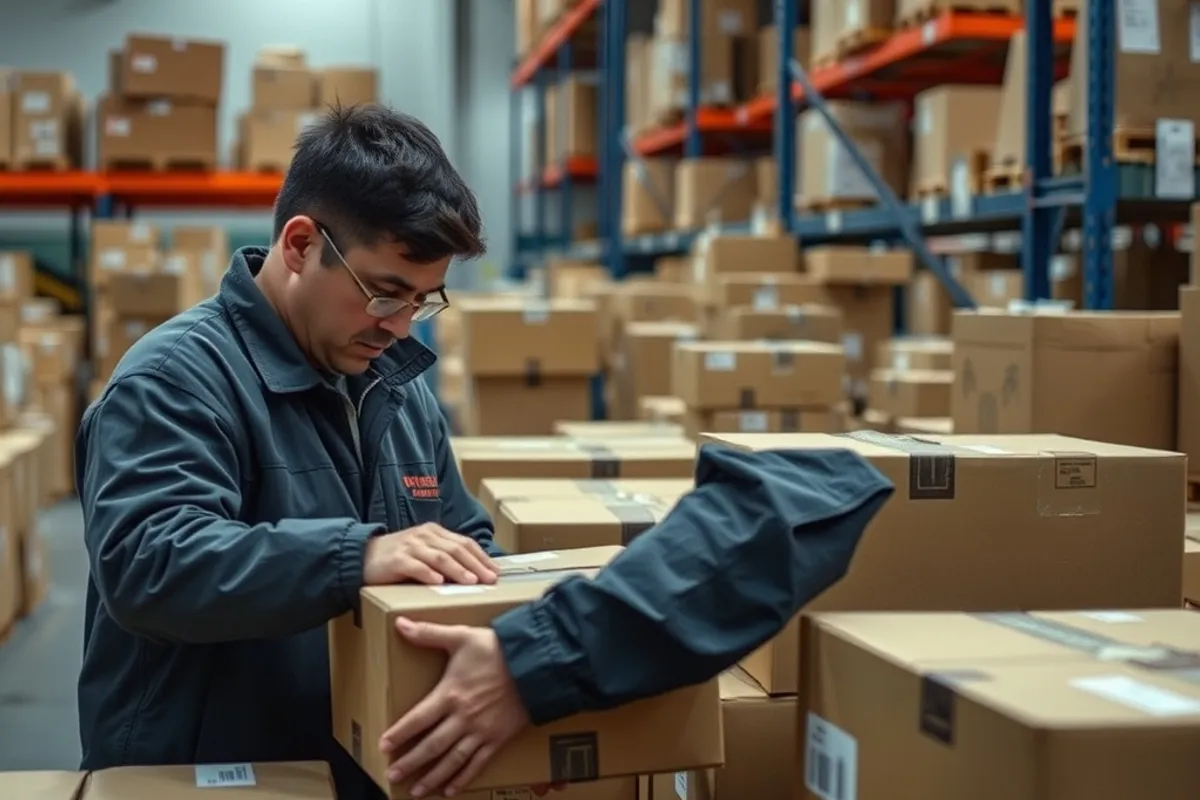
The fundamental logic of trade still holds. Countries specialize, consumers benefit from lower prices, and companies chase scale. The rerouting has been significant, but it has not reversed globalization. It has made it more regional and more managed. Trade within Asia, within North America and within Europe has grown faster than intercontinental trade.
China remains central, especially in critical minerals, batteries and intermediate goods. Attempts to remove it entirely from supply chains have mostly failed, because the alternatives are not yet large enough. The new map is not a world without China. It is a world with more nodes and more redundancy around China.
What comes next
The next phase will be defined by three tests. Can new manufacturing hubs build enough infrastructure to absorb the shift? Can companies make resilience affordable enough to avoid permanent inflation? Can governments coordinate trade rules without fragmenting the system into rival blocs? The answers will shape prices and jobs for the rest of the decade.
For consumers, the practical effect is subtle but real: slightly higher prices, fewer extreme shortages, more products labeled with unfamiliar origins. For policymakers, the challenge is to manage the transition without sacrificing the gains from trade. The map has changed. The rules are still being written.
Related reading: our port city report and global lessons from car-free cities.