The Housing Trap: Why Both Parties Keep Missing the Same Voters
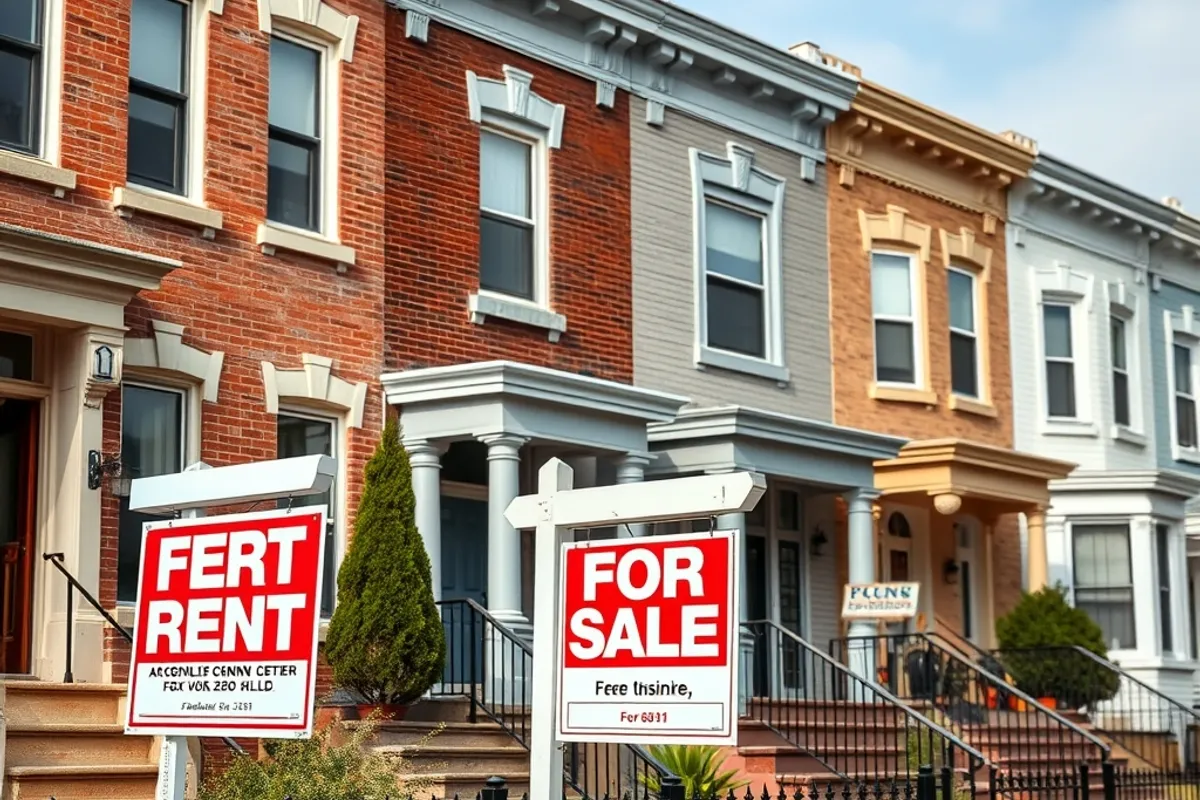
Every election cycle produces a version of the same promise: this time, housing will be different. This time, the young couple priced out of their neighborhood will get a break. This time, the city will approve enough homes. And every cycle, the gap between the promise and the outcome looks remarkably similar. The reason is not a mystery. It is a coalition problem, and both parties have reasons to avoid solving it.
The voters nobody owns
Renters are the most mobile bloc in American politics. They move more often, change jobs more often and have weaker ties to any single neighborhood. That mobility makes them hard to organize and easy to overlook. It also makes them unusually responsive to one issue: whether they can afford to stay.
First-time buyers sit in an even stranger position. They are often politically engaged, culturally homeowners-in-waiting, and deeply frustrated by prices. Both parties court them with tax credits and down-payment programs that do little to change the underlying cost. The result is a group that feels heard but not helped.

Why the supply argument stalls
The arithmetic of housing is not complicated: when demand grows faster than supply, prices rise. The politics is harder. New construction creates winners and losers, and the losers are often loud, organized and already voters. Existing homeowners worry about traffic, parking and property values. Local governments depend on their turnout. So projects shrink, fees rise and approval takes years.
Both parties have factions that benefit from the status quo. Some progressive groups prioritize tenant protections over new market-rate supply, fearing displacement. Some conservative groups champion local control, which in practice means neighborhood vetoes. The result is a cross-party alliance of delay that can block reform even when a majority of residents favor more housing in the abstract.
"Everyone is for affordable housing. Almost no one is for the specific building that would make it."
What is actually moving
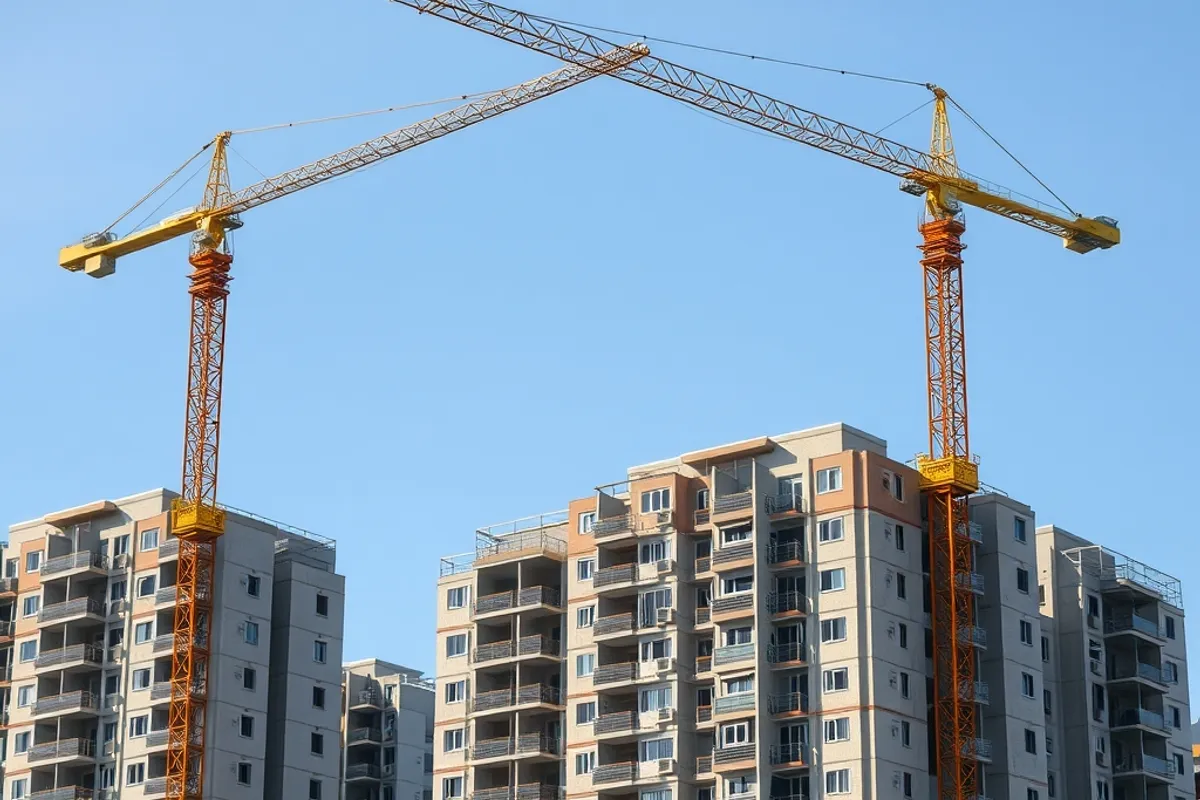
There is real progress at the state level. Eighteen states passed housing bills in 2025, mostly focused on legalizing duplexes and small apartments in areas zoned for single-family homes, and on limiting the discretionary review that lets a single neighbor delay a project for years. These reforms are unglamorous, but they change what can be built.
The early results are modest but measurable. Cities that legalized small multifamily buildings have seen a slow uptick in permits, not a construction boom. The constraint has shifted from zoning to financing and labor, which are harder for politicians to fix. Still, the direction of travel is clear: states are taking power back from local vetoes.
The subsidy trap
The other half of the policy debate is subsidy. Down-payment assistance and first-time buyer credits are popular because they help someone immediately. But unless supply rises, they mostly push prices up, transferring money to sellers. Economists have warned about this for decades; politicians keep proposing them because they are visible and fast.
Public housing and nonprofit development are more effective at reaching low-income households, but they are expensive and slow. The country needs both: more market-rate supply to ease overall pressure, and deep subsidy for people at the bottom of the income scale. Framing them as alternatives is a political convenience, not an economic one.

The electoral math
Renters vote at much lower rates than homeowners, especially in local elections where housing decisions are actually made. That gap is the core reason housing reform is under-supplied politically. A politician who angers homeowners faces immediate consequences at the polls. A politician who disappoints renters often faces none.
Changing that equation requires organization, not just messaging. Tenant unions, renter advocacy groups and turnout campaigns have started to close the gap in a handful of cities. Where they succeed, housing policy shifts. Where they remain fragmented, the status quo holds. The votes exist. The infrastructure to turn them into power is still thin.

What would break the trap
Three changes would matter more than any single bill. First, make housing a state-level priority with clear targets, so local vetoes cannot block the total supply. Second, fund social housing at a scale that reaches the poorest households, rather than relying on tax credits that serve middle incomes. Third, treat renters as a constituency to be organized, not a demographic to be managed.
None of this is easy, and none of it fits neatly into a campaign slogan. But the alternative is another decade of promises that do not add a single unit. The voters are waiting. They are also moving, which means the coalition that solves housing will not have to wait forever.
Related reading: our local ballot analysis and the cost-of-living reset.