Cities Without Cars: What the World's Boldest Streets Learned
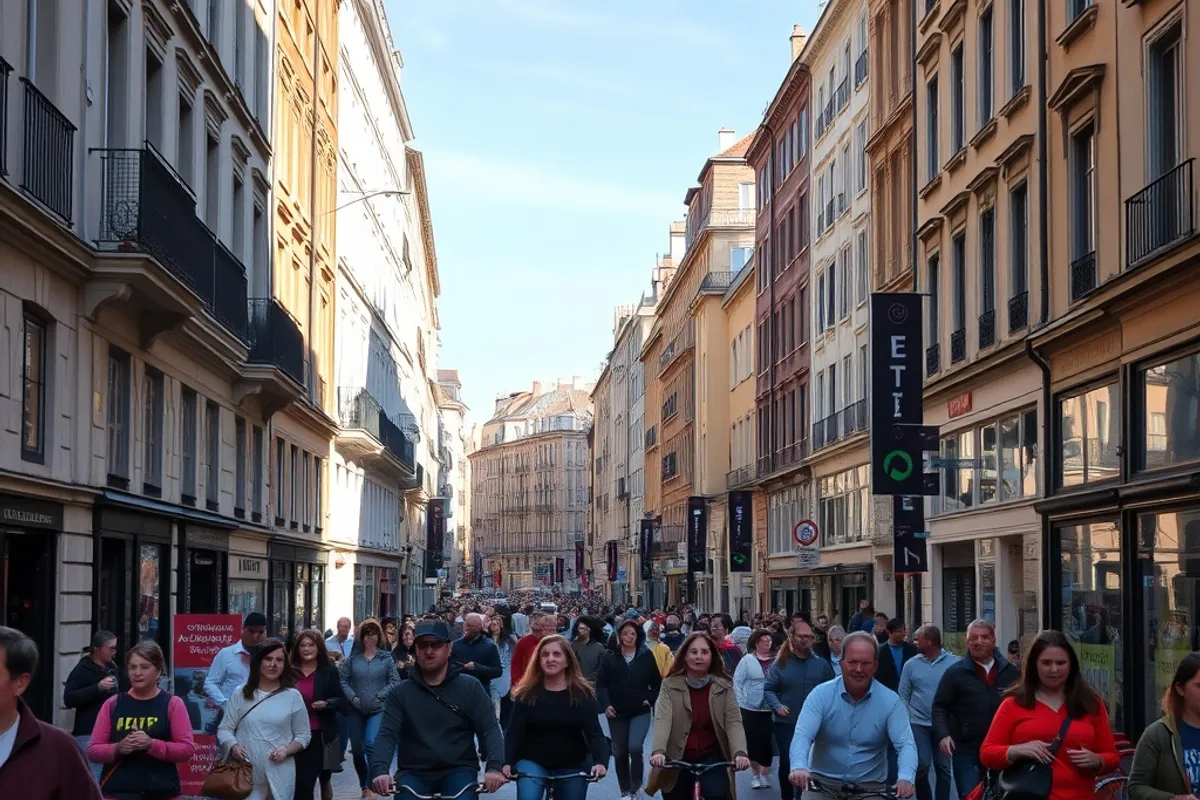
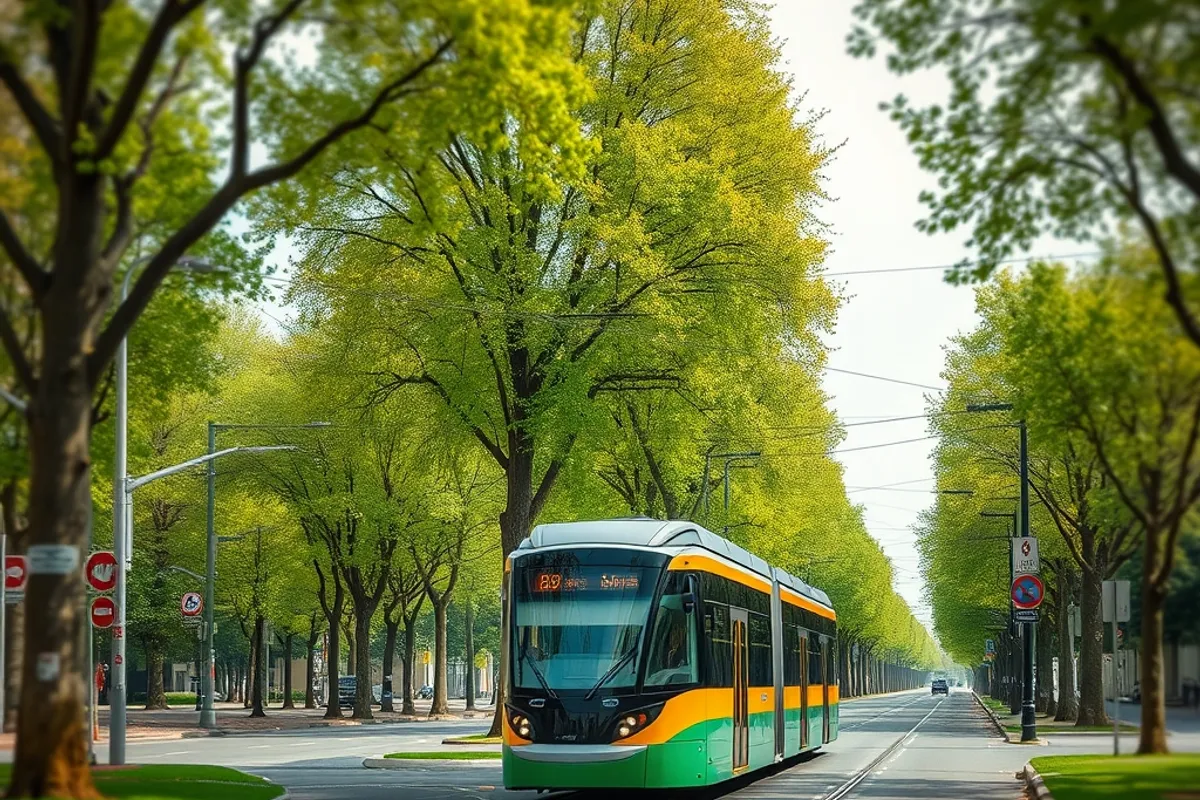
The street was a four-lane artery six years ago. Today it has trees, benches, a tram line and a long table where neighbors eat lunch in summer. Cars are not entirely gone, but they are guests: delivery vans before noon, taxis with permits, nothing else. The change happened in stages, each one reversible, each one fought over. That is how most car-free projects actually work.
The quiet revolution
Cities have been reclaiming road space for decades, but the pace changed after 2020. Pandemic emergency measures showed that streets could be reallocated quickly, and many of those changes stuck. More than 200 cities have pedestrianized at least one central street since then, and hundreds more have added bike lanes, bus corridors or low-traffic neighborhoods.
The motives vary. Some cities are chasing air quality and climate targets. Others see car-free centers as economic development, drawing visitors and shoppers who stay longer. A few are responding to residents who simply want quieter, safer streets. The common thread is a shift in how cities value space: as a public good, not just a movement channel.
What the data shows
The environmental results are the clearest. Studies of car-free zones in European cities found nitrogen dioxide down 20 to 35 percent within two years, with the biggest gains where traffic was removed rather than merely restricted. Noise levels also fell sharply, a benefit residents mention more often than emissions.
The economic picture is more mixed. Retail sales in pedestrianized areas rose in most studies, but the gains are not evenly distributed. Cafes and experience-based businesses tend to benefit; some convenience stores and auto-related businesses lose. The outcome depends heavily on whether the street remains accessible by transit and whether deliveries are managed well.
"The question is not whether to remove cars. It is what a street is for, and who gets to decide."
The backlash
Car-free projects generate fierce opposition, and not all of it is self-interested. People with disabilities, tradespeople and caregivers often depend on vehicles for reasons that a bike lane does not solve. If a city removes parking without providing alternatives, it shifts the burden onto the people least able to adapt.
The strongest opposition appears where transit is weak and distances are long. Suburban residents who drive into the center for work or shopping see a car-free zone as a barrier, not an amenity. Cities that ignored those concerns have seen projects reversed or watered down after elections. The successful ones usually phase changes, monitor impacts and keep exceptions for essential users.
What visitors miss
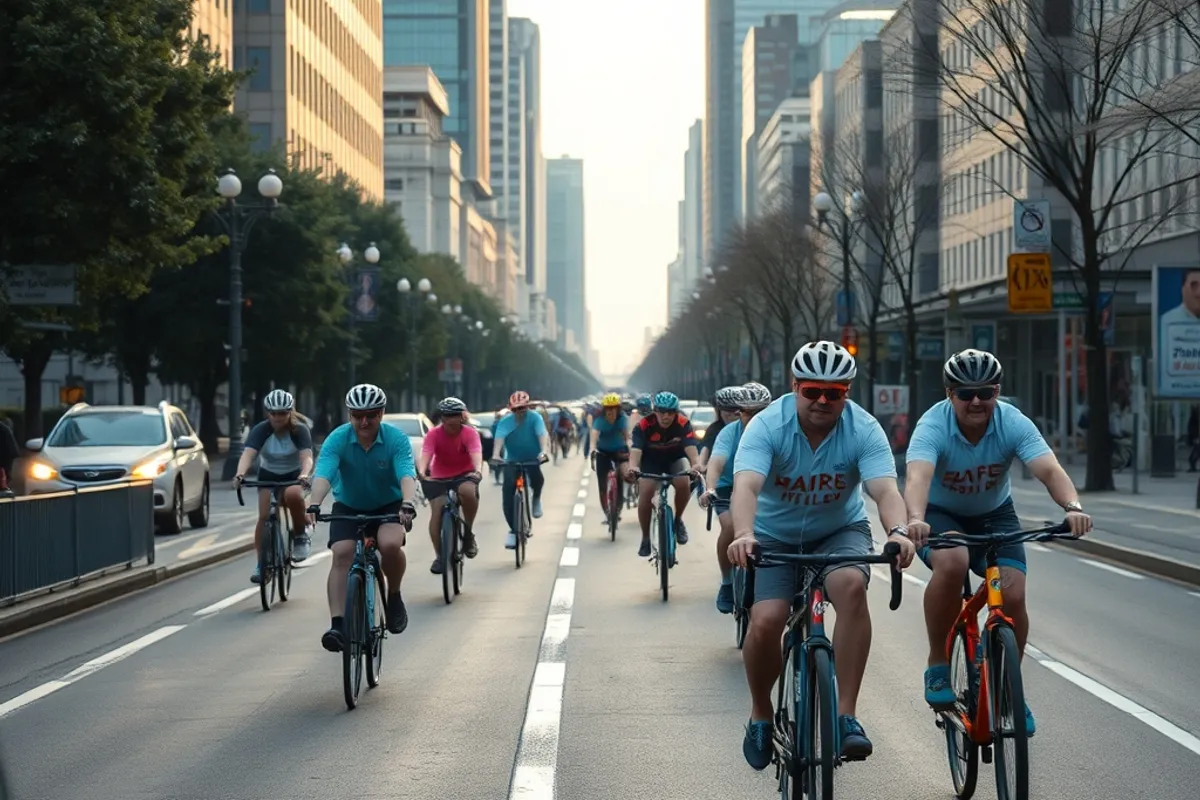
Visitors see the finished street: the cafes, the trees, the cyclists. They miss the years of negotiation, the temporary barriers, the pilot programs and the data collection. They also miss the delivery logistics that keep the street supplied without a constant stream of vans. The visible result is the tip of an administrative iceberg.
The best projects treat car removal as one part of a system. They add transit capacity first or at the same time, manage deliveries with shared depots or time windows, and provide accessible transport for people who cannot walk or cycle. Without those pieces, a pedestrian street can become an exclusive enclave rather than a public space.
The next frontier
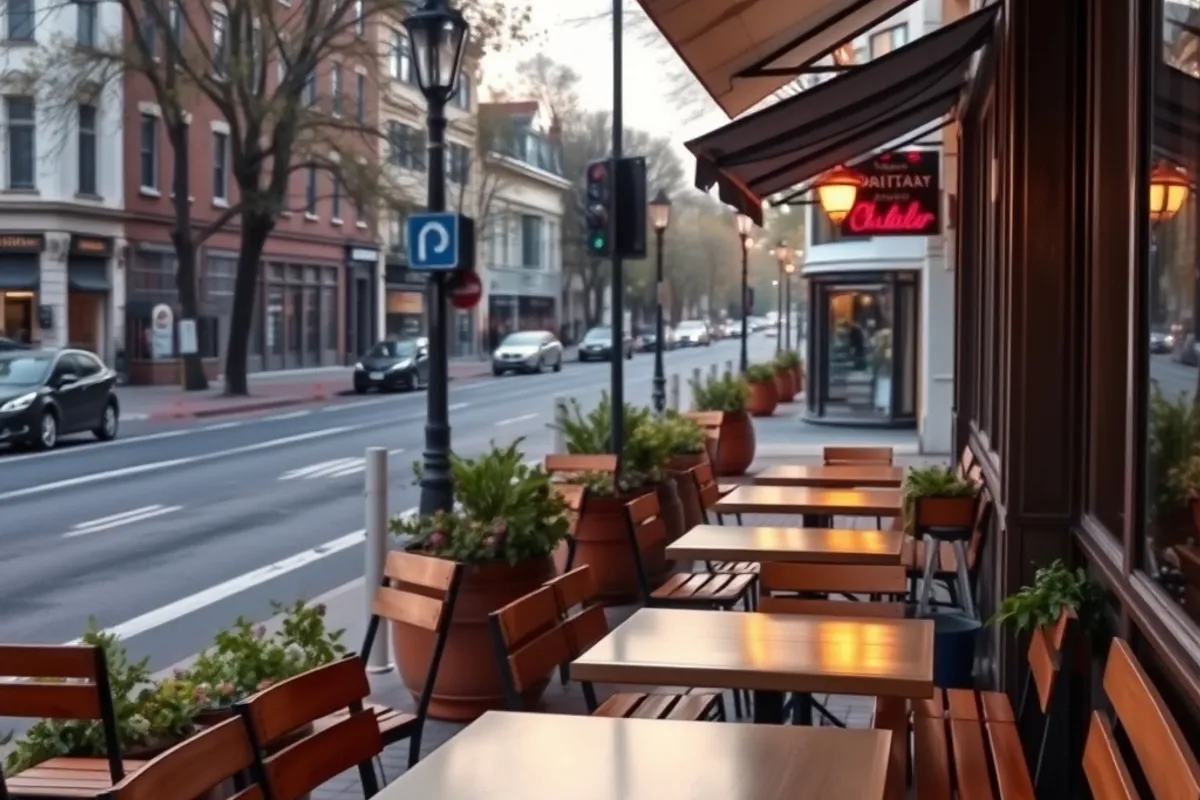
The next phase is moving beyond city centers. Low-traffic neighborhoods, school streets and freight consolidation are spreading to residential areas, where the politics is harder because the car is more deeply embedded in daily life. Some cities are experimenting with congestion pricing to manage traffic at the edges of car-free zones, with mixed political results.
Technology is part of the story but not the whole story. Electric vehicles reduce emissions but not congestion or road danger. Autonomous shuttles may fill gaps in transit, but they are not a substitute for dense, frequent service. The core challenge remains spatial: how to allocate a limited public resource among competing uses.
Lessons for other cities
Start small and reversible. A weekend closure or a summer pilot builds evidence and gives people a chance to experience the change. Communicate the trade-offs honestly, including who loses parking and how deliveries will work. Invest in alternatives before removing options. And expect opposition: it is a sign that the street matters.
The deeper lesson is about time. Car-dependent streets were built over seventy years; they will not be undone in one term. Cities that treat each project as a permanent battle tend to fail. Cities that treat it as a long experiment, with data and adjustments, tend to make progress that survives changes in government.
Related reading: our community kitchen story and local ballot analysis.