Neighborhood Kitchens: How Shared Meals Are Rebuilding a Block
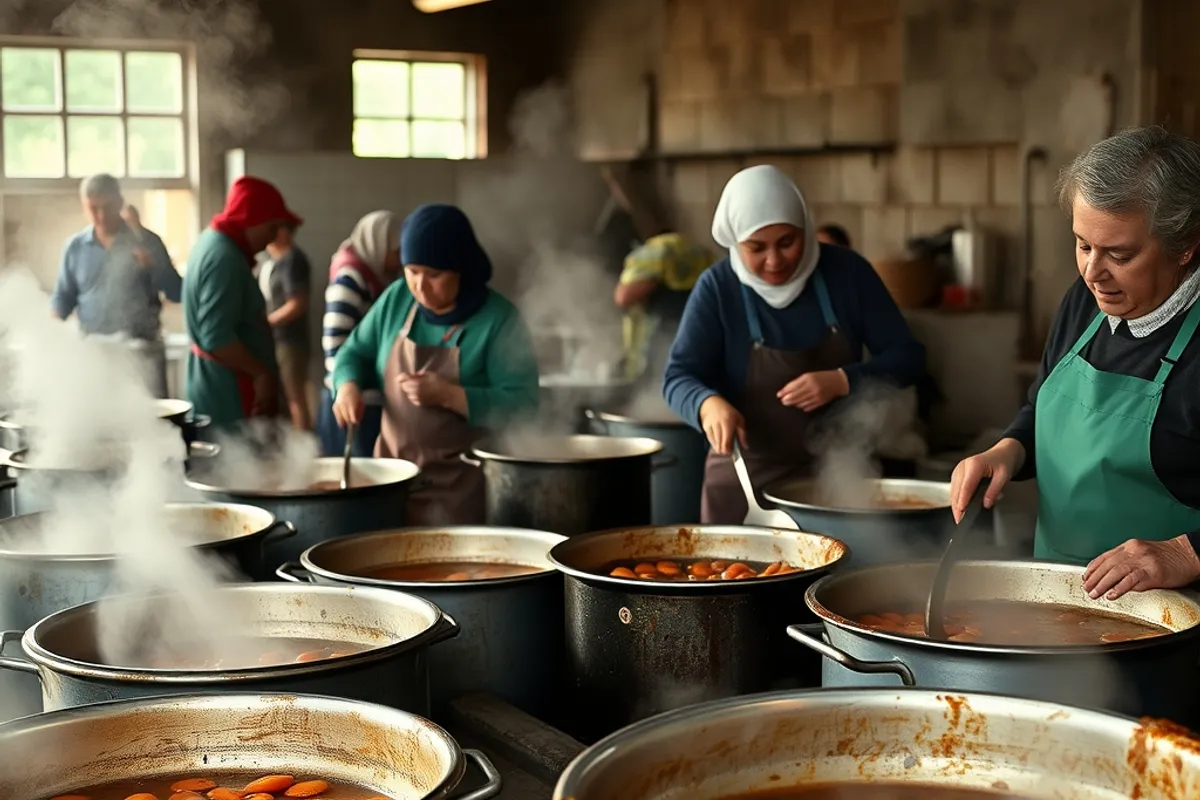
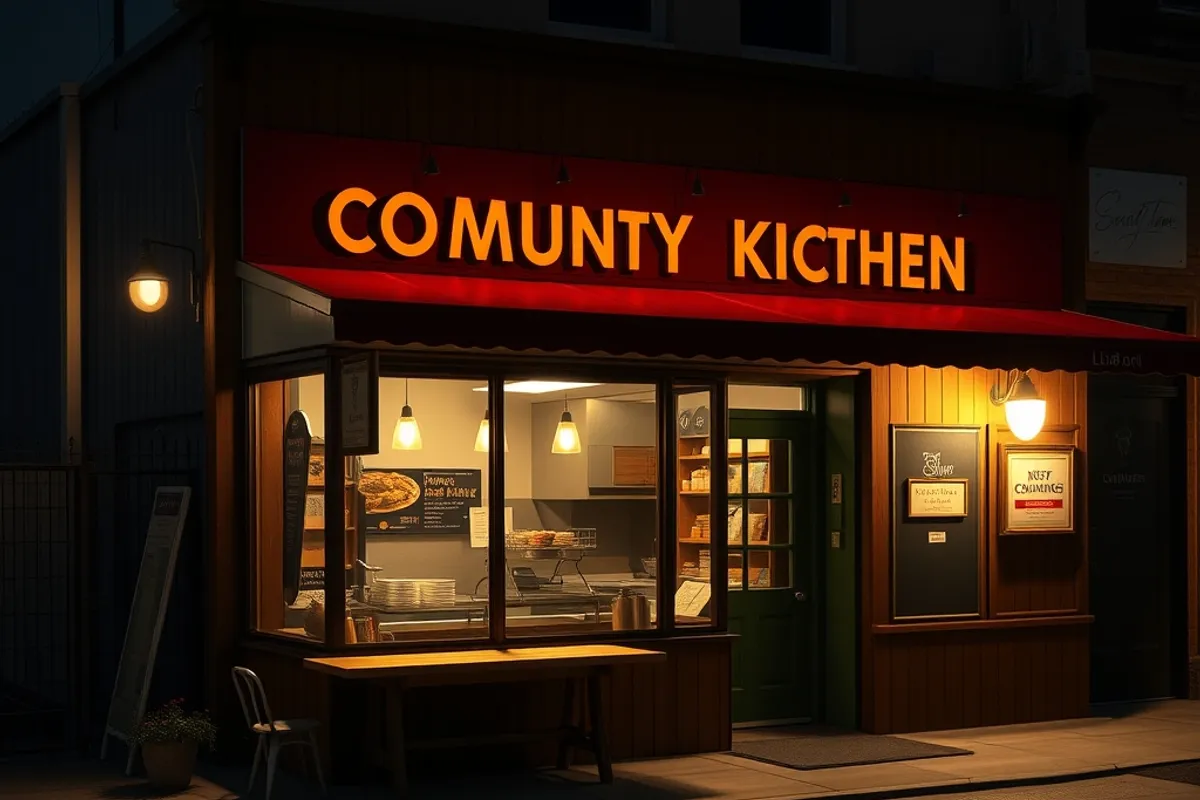
On Thursday afternoons the smell starts before the door opens: onions, cumin, something sweet in the oven. The space was a hardware store for thirty years, then empty for four. Now it has a commercial stove, a long communal table and a handwritten sign that reads "everyone eats." The kitchen is run by a rotating group of neighbors, most of whom had never cooked for a crowd before.
A storefront with a stove
The project began with a simple observation: the block had a lot of people who cooked well and a lot of people who ate alone. A retired restaurant worker proposed turning the vacant storefront into a shared kitchen. The city owned the building and was willing to offer a cheap lease. A local foundation paid for the stove and the ventilation upgrade.
The rules are deliberately light. Anyone can book the kitchen for a community dinner. Cooks keep whatever diners pay above the cost of ingredients, or donate it back to the pantry. There is no membership, no committee and no curriculum. The only requirement is that the meal is open to anyone who shows up.
How a night works
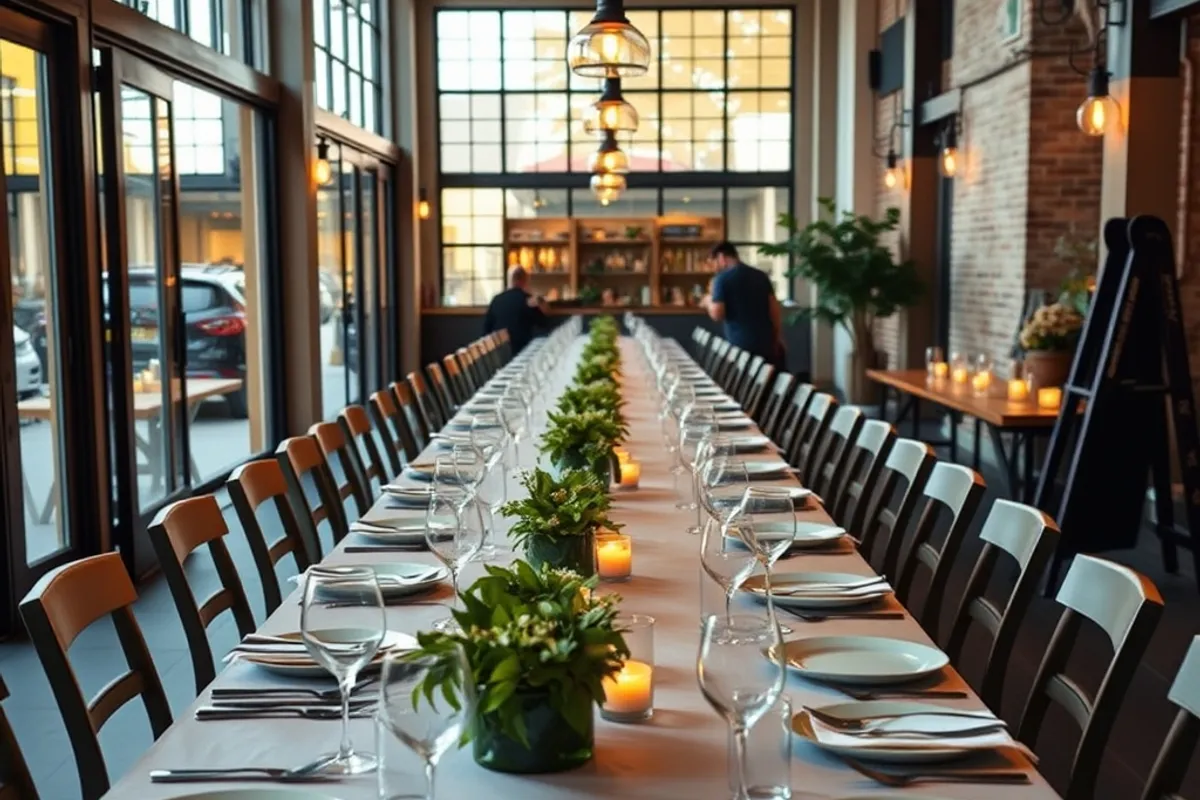
The cook arrives at two, the volunteers at four, and the first diners at six. Regulars know to bring their own plates if they can, though the kitchen keeps a stack for anyone who forgets. There is no formal serving line. People fill bowls, find a seat and talk to whoever is nearby.
The mix is the point. On a given night the table might hold a retired teacher, a delivery driver, two teenagers and a family that just moved from another country. The conversation is not facilitated. It happens because the format makes it hard to avoid.
"The food is the excuse. The table is the project."
The economics of pay-what-you-can
The suggested price covers ingredients on a good night and falls short on a bad one. The gap is filled by donations and by cooks who treat the dinner as a loss leader for something else: a small catering business, a chance to test recipes, a way to meet neighbors. The city grant pays the rent, which is the single biggest reason the model works.
That dependence is also a vulnerability. If the grant disappears, the kitchen would have to raise prices or find a new host. The organizers are candid about this. They are experimenting with a subscription for regulars and a small takeout menu on weekends, but neither yet covers the full cost.
What it changes beyond dinner
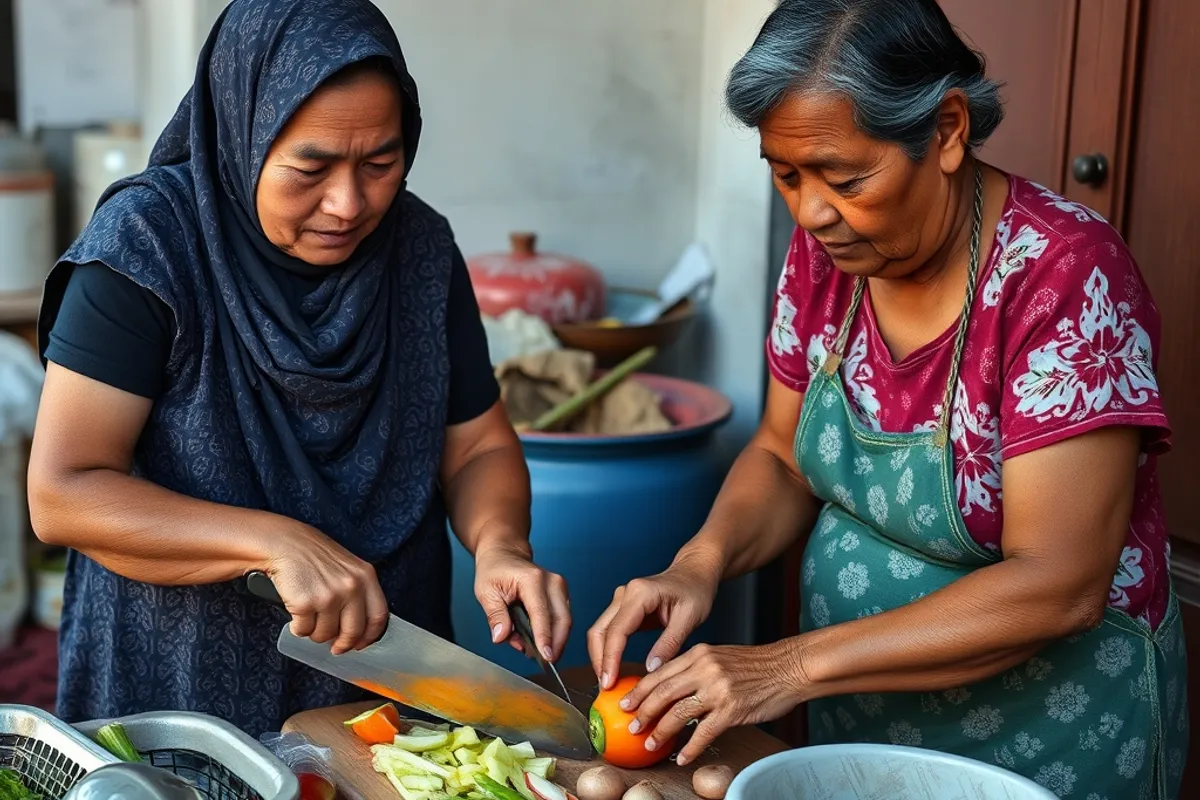
The visible effects are modest: fewer empty evenings, a few new friendships, a block that feels safer after dark because more people are out. The less visible effects are harder to quantify. Neighbors exchange phone numbers. A woman who had been isolated after a loss starts coming every week. A teenager gets his first job through someone he met at the table.
There are tensions. Not everyone on the block wants a crowd outside on Thursday nights, and the kitchen has had to negotiate noise and parking. The organizers hold a monthly open meeting to air complaints, which has prevented most of them from festering. The project survives because it is small enough to adjust.
Can it scale?
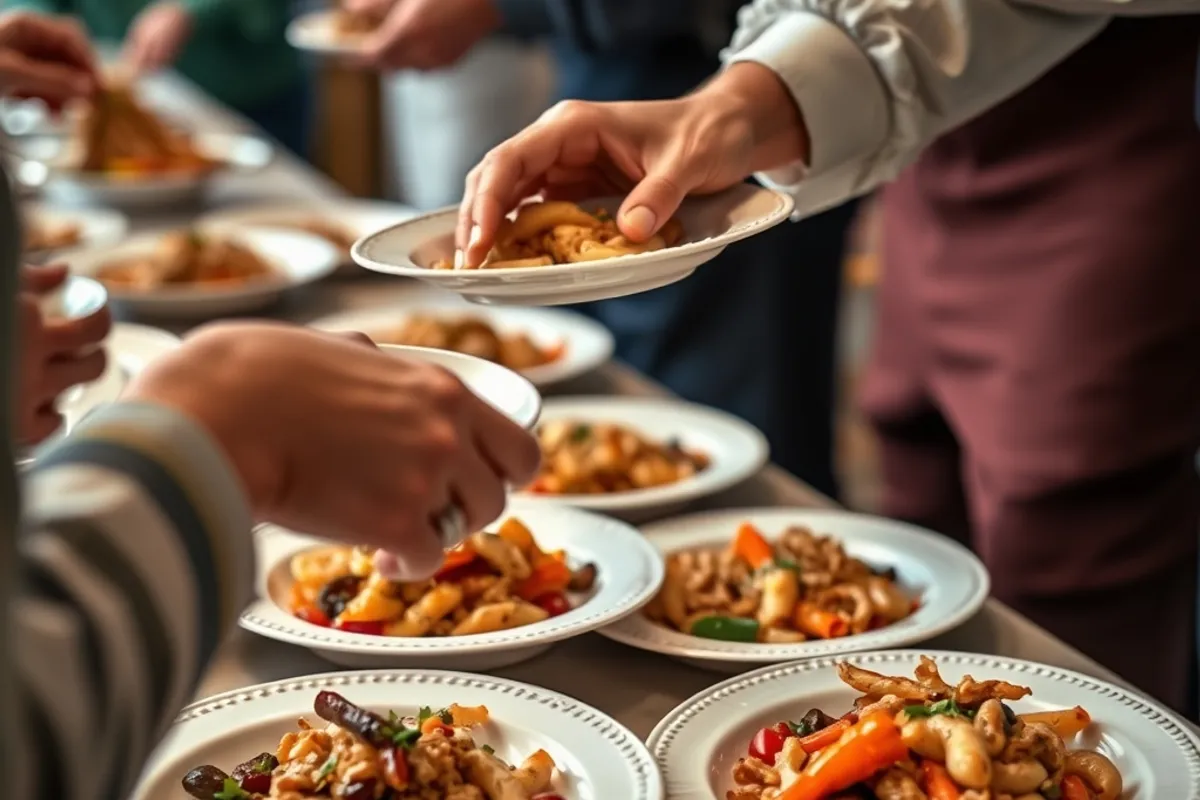
Six blocks now run some version of the idea, with varying levels of formality. One uses a church hall, another a school cafeteria on weekends. The common ingredients are a cheap or donated space, a reliable stove, and at least one person willing to organize the first dinner. The rest is improvisation.
Scaling too fast would break the thing that makes it work: the sense that it belongs to the people who show up. The organizers resist turning it into a franchise or a city program. Their advice to other blocks is to start with one dinner, invite everyone, and see who comes back.
Related reading: our story on a library that never closes and what car-free streets teach us.