Small Ballot, Big Stakes: The Local Measures Shaping National Debates
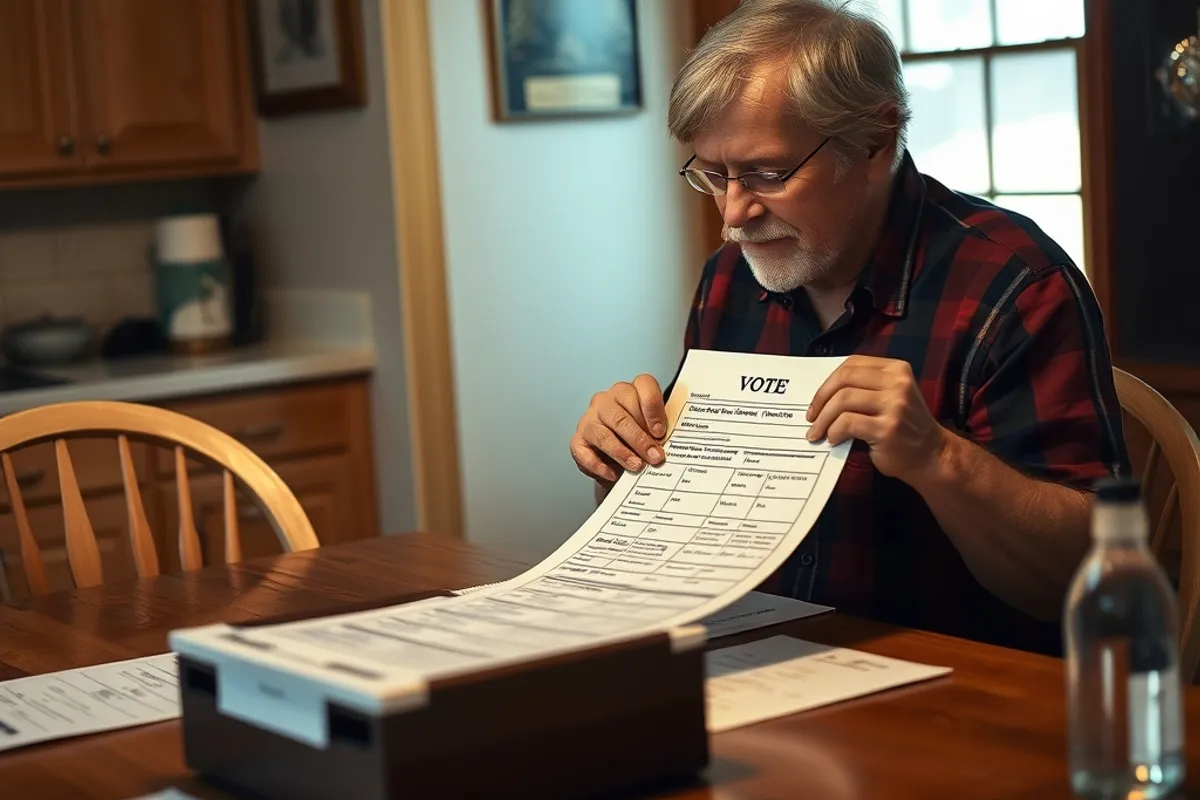
National politics gets the cameras. Local ballots get the consequences. This year, more than 1,400 measures will ask voters to approve transit funding, rewrite zoning rules, issue school bonds or change how cities govern themselves. Most will pass or fail with little national attention, and then shape daily life for a decade. In that gap between attention and impact, some of the country's most important political arguments are being settled.
Why local measures matter more than they look
A zoning rewrite can determine how many homes a city builds for a generation. A transit levy can decide whether a bus network expands or shrinks. A school bond can shape the physical condition of classrooms for thirty years. These are not small questions. They are the questions national politicians talk about in the abstract and local voters decide in concrete terms.
They also move faster. A federal housing program can take years to design and longer to deliver. A local zoning change can start producing permits within months. That speed is why advocacy groups increasingly treat city hall and county ballots as the real battleground.
The big three: housing, transit, schools
Housing measures dominate this cycle, often framed as either "protect neighborhoods" or "build more homes." The details matter enormously. Some measures legalize small apartments; others cap rent increases; a few do both. The campaigns tend to simplify them into a single question, which is why the fine print is where the real policy lives.
Transit levies are the second major category. Many cities face a fiscal cliff as pandemic-era aid expires, and the choice is usually between higher taxes, service cuts or both. School bonds round out the top three, with districts asking voters to fund repairs and construction amid rising costs and declining enrollment in some places.
"The ballot question is short. The policy is long. That is the whole problem with local democracy."
Who actually votes
Local elections are decided by a small, unrepresentative slice of the electorate. Turnout in off-year municipal contests can fall below 15 percent of registered voters, and those who do show up skew older and wealthier than the population as a whole. That skew shapes which measures pass and which die.
The gap is not inevitable. Cities that moved local elections to align with national cycles saw turnout rise sharply, though the change also made local races more partisan. Other places experimented with vote-by-mail and extended early voting. The results are mixed, but the lesson is consistent: timing and access determine who decides.
The money behind the questions
Local ballot campaigns are cheaper than national races, which makes them unusually susceptible to well-funded interest groups. A developer association or a transit union can spend six figures and dominate the airwaves in a mid-sized city. Disclosure rules vary widely, and in some places the biggest spenders are barely visible until the final weeks.
That does not automatically decide outcomes. Grassroots campaigns have beaten better-funded opponents, especially when the measure is poorly explained or perceived as a power grab. But the asymmetry is real, and it is one reason ballot language is often drafted by the interests that stand to gain.

What to watch on election night
Three signals matter. First, whether housing measures win in suburbs, not just cities, which would suggest the politics of supply is broadening. Second, whether transit levies pass in places facing service cuts, a test of willingness to pay for public infrastructure. Third, whether turnout in local races closes any of the gap with national contests.
Whatever the results, the longer story is about capacity. Cities that have professional planning staff, clear budgets and organized advocacy can implement what voters approve. Cities without that capacity can pass a measure and still fail to deliver, which breeds the cynicism that makes the next campaign harder.

The national echo
Local measures are also testing grounds for national arguments. Zoning debates preview fights over housing affordability. Transit votes preview debates over climate spending. School bonds preview questions about public investment and enrollment decline. The results will be cited by national campaigns long before the next federal election.
For voters, the practical lesson is simple: read the ballot, not just the ads. The language is often technical, the stakes are concrete, and the decisions last longer than most national headlines. Local democracy is unglamorous. It is also where the country is actually being built.
Related reading: our analysis of the housing trap and global lessons from car-free cities.