The Great Water Reckoning: How Three River Towns Learned to Share
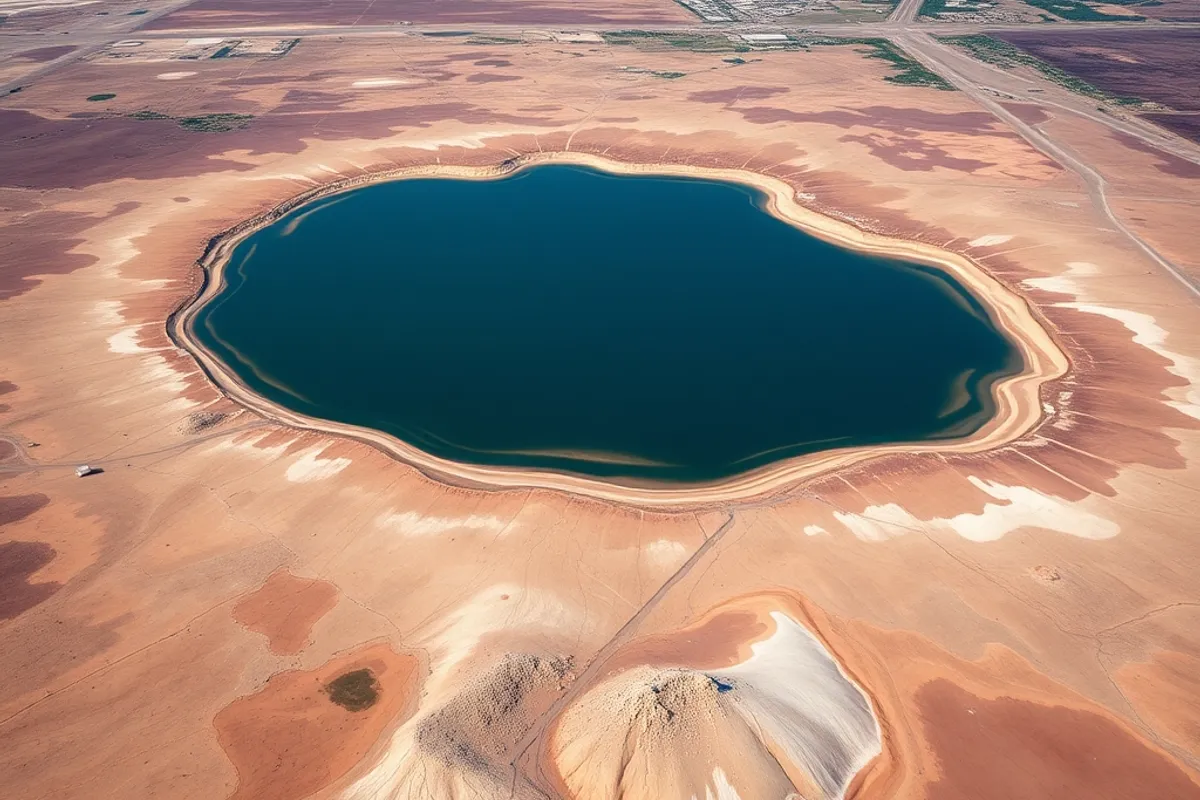
For most of the last century, the river did what it was told. Dams held the spring melt, canals carried it to orchards, and towns pulled what they needed with little more than an annual handshake. Then came four dry winters in a row. The reservoir dropped below a third of capacity, the oldest orchards were stumped, and three municipalities that had spent decades ignoring each other discovered they were drinking from the same shrinking cup.
How the shortage was hidden
Water rights in the basin were allocated in the 1920s, during one of the wettest decades on record. The paper entitlements added up to more water than the river typically carries, a common fiction across the American West. For years it did not matter because storage and snowpack covered the gap. When the snowpack failed, the arithmetic became public.
Each town had a plausible local story. The upstream town blamed downstream agriculture; the farming town blamed urban growth; the industrial plant pointed to its jobs. All three were partly right and none had an incentive to move first. The reservoir manager, who had been warning about the gap for a decade, finally published a daily dashboard that made the shortage impossible to dispute.
The meeting that changed the math
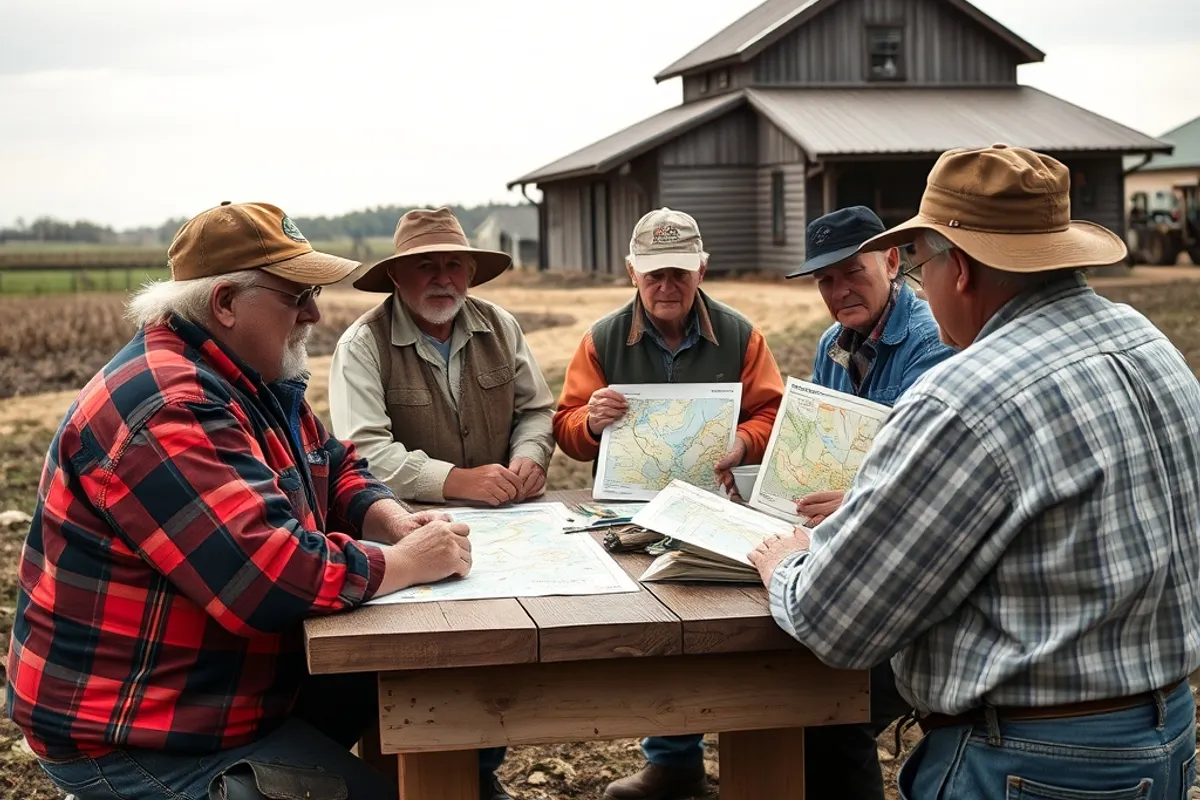
The breakthrough was not a grand speech. It was a spreadsheet. A hydrologist hired by the county built a model that showed, in plain numbers, what each user would receive under different rainfall scenarios. The model did not assign blame. It assigned volumes, and volumes turned an argument about values into a negotiation about shares.
The agreement that emerged is unusual for its simplicity. Allocations are tiered: households and essential services come first, then farms with permanent crops, then seasonal agriculture and industry. The tiers are triggered by storage thresholds, not by annual promises. A review every 90 days lets the parties adjust before a crisis, rather than after one.
"We stopped arguing about who was right and started arguing about who gets how many acre-feet. That was progress."
Who gave up what
No one got everything. The upstream town accepted a cap on new hookups during severe drought. Farmers agreed to fallow a portion of fields in exchange for compensation from a state program. The industrial plant funded a recycling loop that cut its freshwater draw by 30 percent. In return, everyone gained something more valuable than their old entitlement: a predictable rulebook.
The hardest concession was political. Town councils had to explain to residents why growth would slow during dry years, and why the money for pipe repairs would come from a surcharge rather than a grant. Two of the three councils faced angry meetings. All three approved the deal, narrowly.
What is still broken
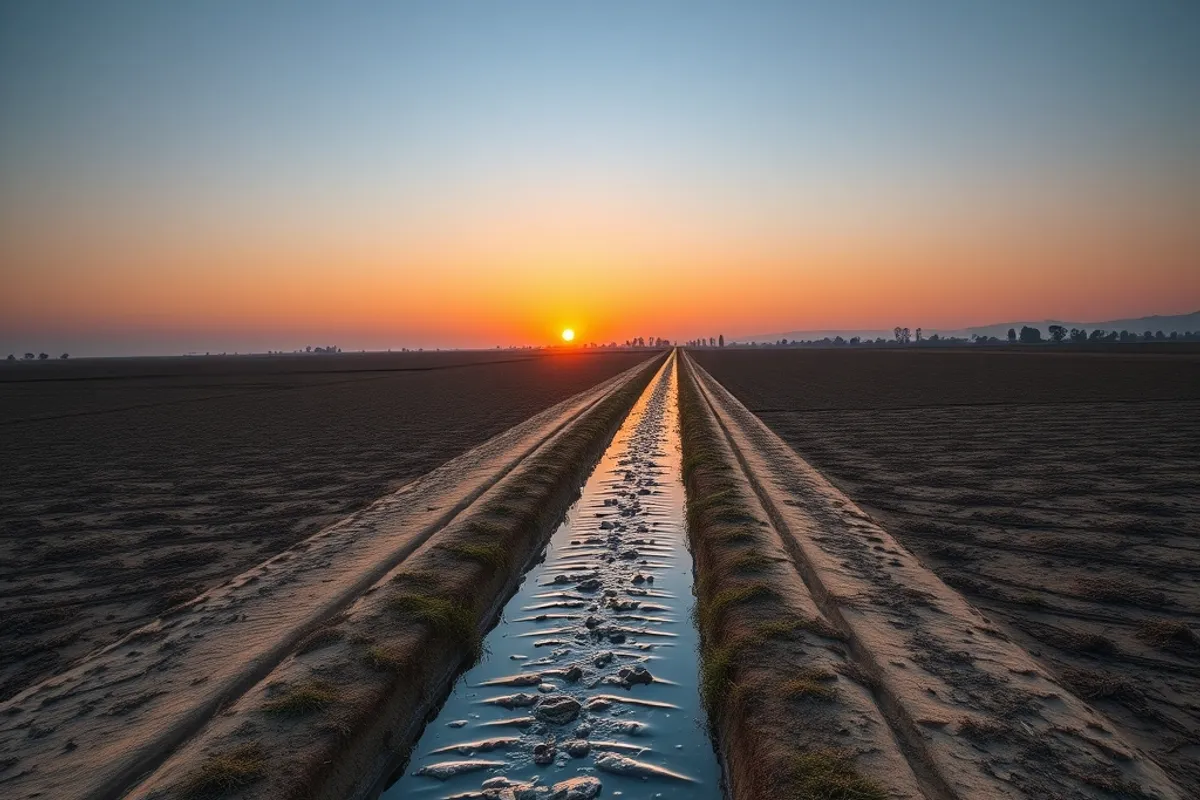
The deal does not fix the underlying overdraft. The basin still promises more water than the river reliably provides in dry years, and the new rules only soften the shortage rather than eliminate it. Aging pipes lose an estimated 18 percent of treated water before it reaches customers, a repair bill that will take a decade to work through.
There is also the question of enforcement. The agreement relies on metering and self-reporting, with audits rather than constant surveillance. That works when trust is high and fails when a single large user decides to cheat. The monitoring system is the part most likely to be tested in the next drought.
Lessons for other basins
The first lesson is that shared data beats shared rhetoric. The dashboard and the model did more than years of public meetings because they gave every party the same facts. The second is that triggers work better than targets: automatic cuts tied to storage are easier to enforce than voluntary goals. The third is that compensation matters. Asking farmers to fallow land without a safety net is a recipe for political collapse.
The final lesson is timing. The towns reached their deal during a crisis, when the cost of delay was obvious. Basins that wait for the next emergency will negotiate under worse conditions, with less trust and fewer options. The reservoir is refilling now. The question is whether the habits will hold when the pressure eases.
Related reading: our report on a port city reinventing its industry and the cost-of-living reset.