Harbor Revival: The Port City Betting on Green Shipbuilding
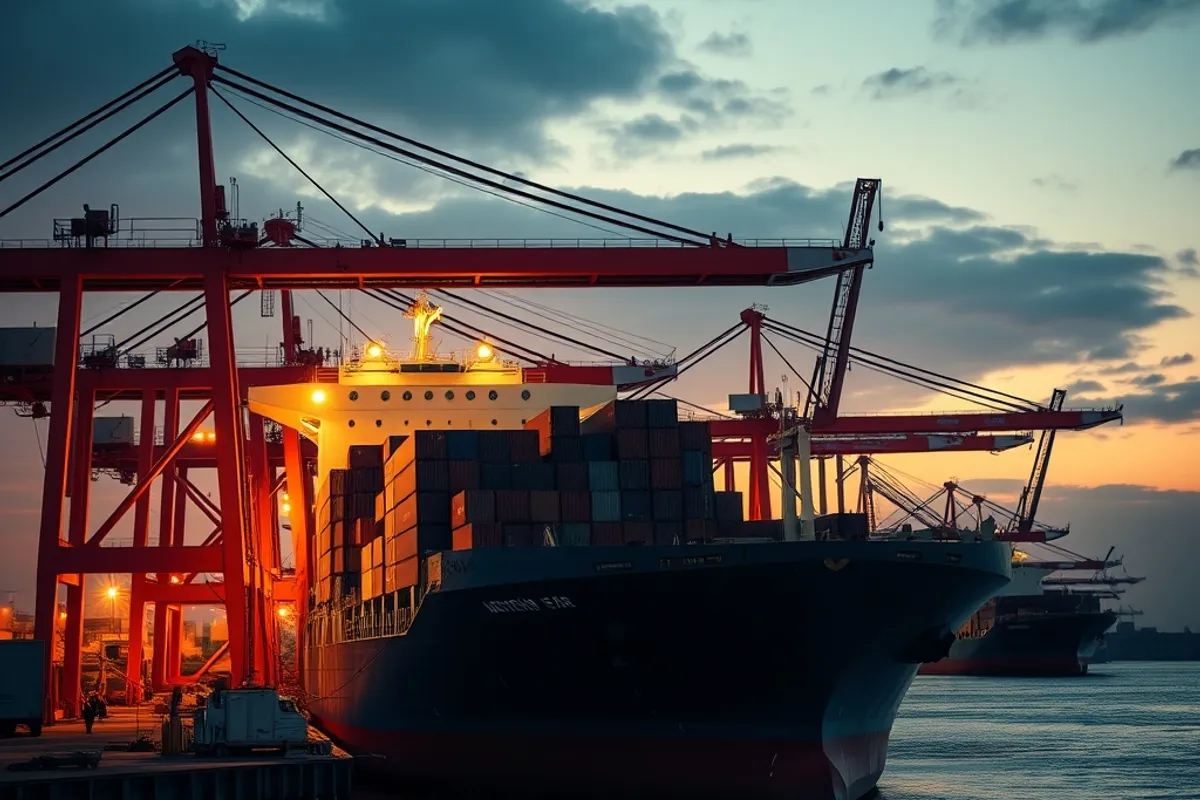
The cranes start moving before sunrise. From the harbor wall, the shipyard looks like a city of steel: three graving docks, a forest of gantries and a steady orange glow from the welding sheds. Ten years ago this place was down to one active berth and a skeleton crew. Today it has orders through 2029 and a waiting list of apprentices. The revival is real, but it rests on a bet that has not yet been settled.
From decline to dry dock
The city's shipbuilding industry collapsed in stages: first the container work moved to bigger ports, then the repair contracts followed, then the skilled workers left for inland factories. By the time the last big employer announced layoffs, the harbor had become a backdrop for redevelopment renderings rather than a working waterfront.
The turnaround began with an unglamorous decision. Instead of chasing cruise terminals or luxury marinas, the port authority focused on the one asset competitors could not copy: deep water, heavy cranes and a workforce that still knew how to build hulls. It assembled a package of tax credits, state training money and a long-term lease that gave a mid-sized shipbuilder enough certainty to invest.
Why methanol
The yard's niche is methanol-ready vessels: ships designed to run on conventional fuel now and switch to green methanol as it becomes available. It is a pragmatic bet. Fully electric short-sea ships exist, but battery range limits them to short routes. Ammonia and hydrogen remain expensive and logistically immature. Methanol can use existing engines with modifications and existing port infrastructure with modest upgrades.
That pragmatism is also the weakness. A ship is only as green as the fuel it burns, and green methanol supply is still tiny relative to demand. The yard is betting that its customers will pay a premium for future-proofing, and that fuel producers will scale up in time. If either assumption fails, the order book could look very different.
"We are not selling a green ship. We are selling a ship that can become green when the fuel arrives."
The workforce question
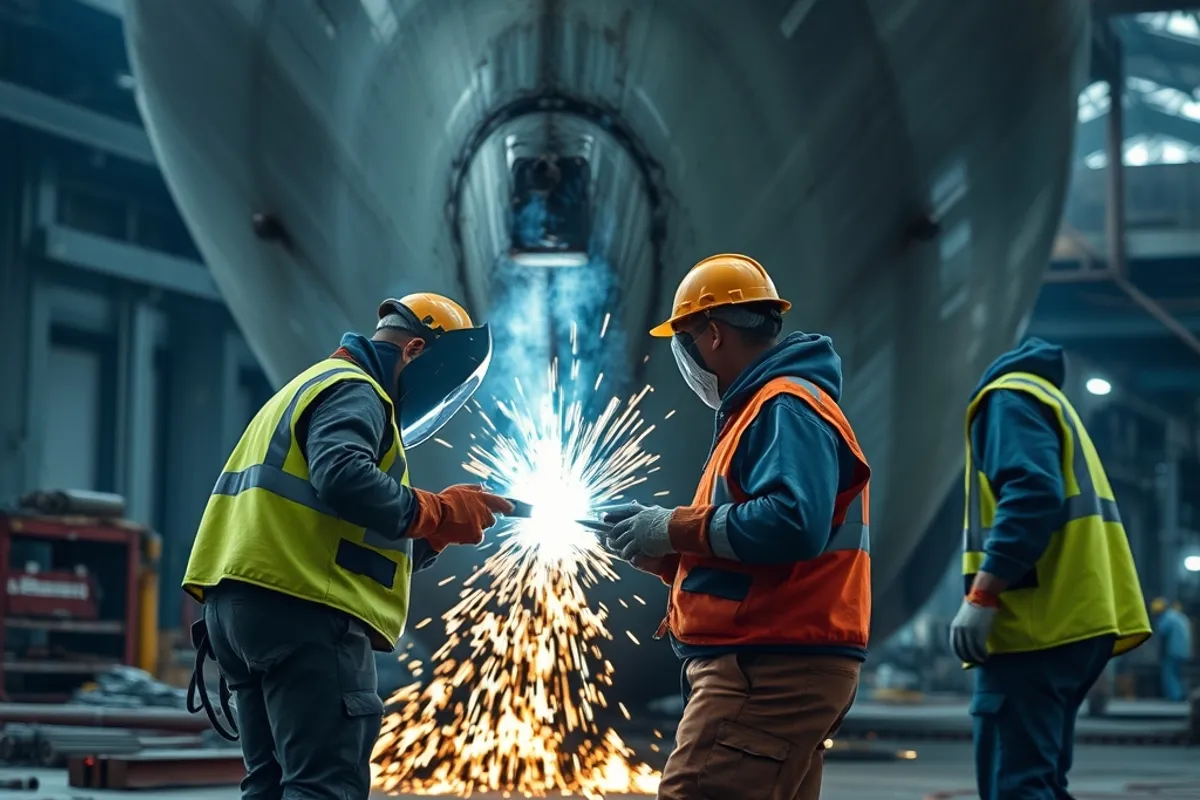
Shipbuilding is a skills business. The yard needs welders, pipefitters, electricians and engineers, and it needs them in a labor market where experienced tradespeople are scarce. The apprenticeship program is the quiet center of the whole strategy: 400 funded places, a partnership with two technical colleges and a guarantee of interview for graduates.
Recruitment is broader than the old workforce. Women make up a quarter of the current apprentice cohort, up from almost nothing a decade ago, and the average age has fallen sharply. The yard's training manager is blunt about the reason: the old hiring networks were narrow, and the labor shortage forced them open.
What the city gets
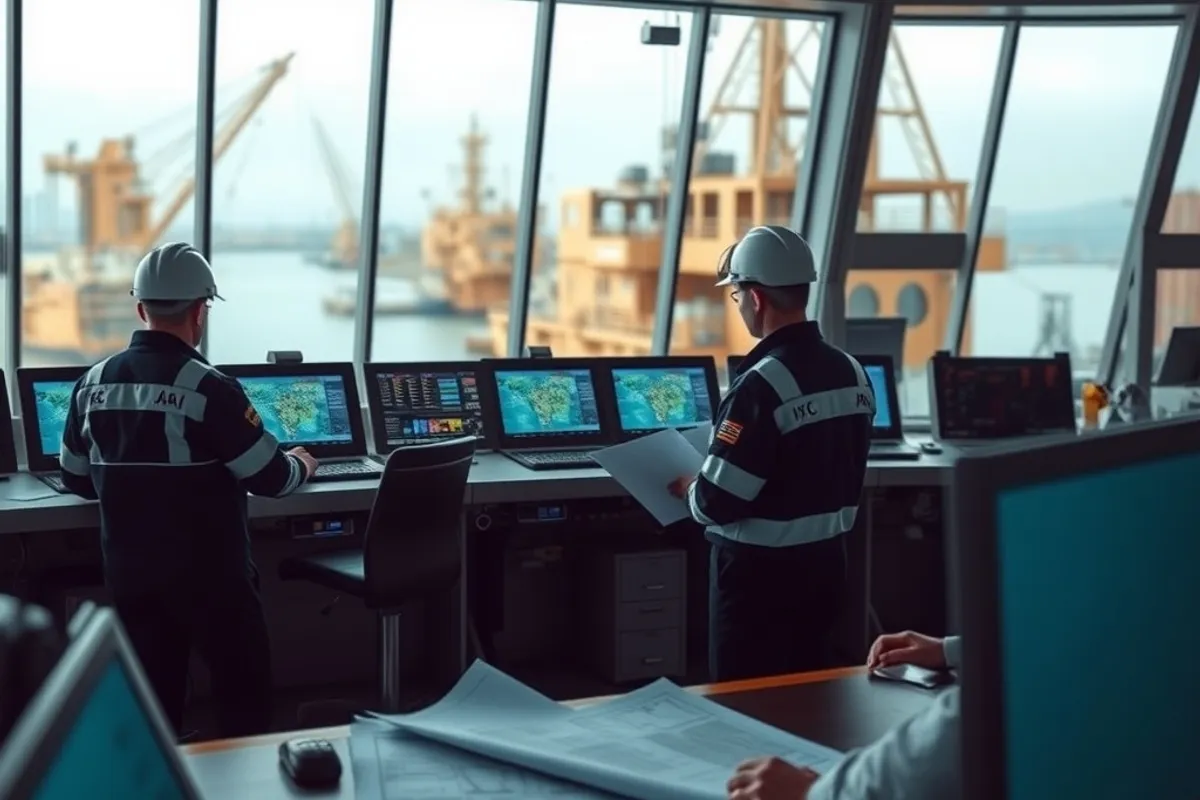
The direct jobs are only part of the story. For every shipyard role, local suppliers add roughly two more: steel fabricators, paint contractors, caterers, transport firms. The port authority estimates the cluster supports about 3,400 jobs in a city of 90,000, a meaningful share of the local economy.
There are costs too. The state incentives are substantial, and the yard's owners have received them while remaining foreign-owned, a political sore point. Housing prices near the waterfront have risen, pushing some longtime residents farther out. The revival is not evenly distributed, and the city council knows it.
The risks ahead
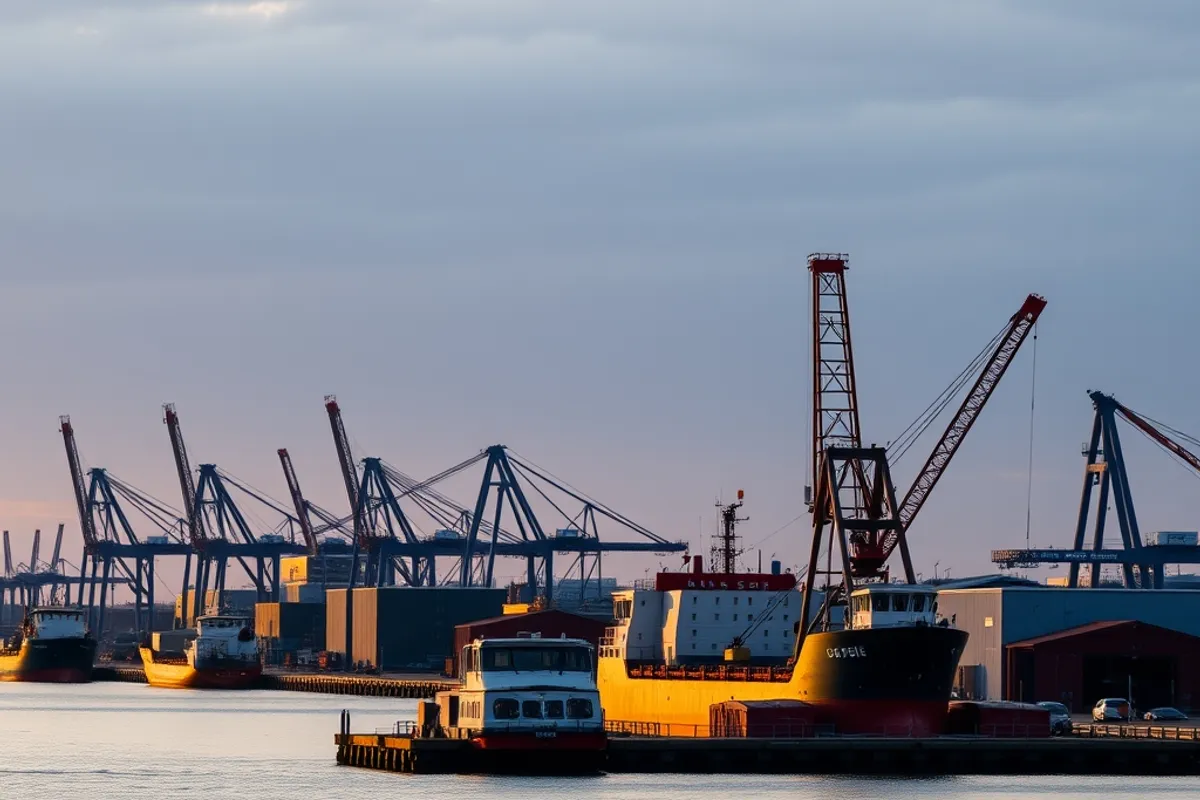
The biggest risk is a slowdown in global shipping orders. Shipbuilding is cyclical, and the current boom is driven partly by fleet renewal and emissions rules. If trade growth falters, the order book thins quickly. The second risk is fuel. If green methanol does not scale, customers may delay or cancel the very ships the yard is tooling up to build.
The third risk is local. A single large employer can anchor a city, but it can also dominate its politics and its labor market. Diversification is slow. The city is trying to build a repair and retrofit business alongside new construction, which would smooth the cycle, but that work is lower-margin and harder to win.
Lessons for other port cities
Not every harbor can copy this playbook. Deep water, heavy lift capacity and an existing industrial base are hard to conjure. But the approach offers a template: pick a niche where geography and skills give you an edge, use public money to de-risk the first investment, and build a training pipeline before the orders arrive.
The most important lesson may be about patience. The revival took eight years from the first strategy document to the current order book, and it survived two changes of local government. Cities looking for a quick win will not find one here. Cities willing to play a long game might.
Related reading: our regional water agreement and the new trade map.