The Library That Never Closes: A Small Town's Experiment With Trust

The library in this town of 8,400 people has no evening staff, no security guard and no cameras among the shelves. It is open from six in the morning until eleven at night, seven days a week, and anyone with a library card can walk in. On a Tuesday night in January, the reading room holds a retired teacher, two teenagers doing homework and a nurse who just finished a twelve-hour shift and is browsing cookbooks.
How it started
The idea came from a budget problem, not a philosophy seminar. The library's hours had been cut three times in five years, and the director was tired of turning away people who worked during the day. A neighboring county had experimented with unstaffed access, using card-controlled doors and a simple honor system. The board decided to try it for a year, with a clear promise: if losses spiked, the program would end.
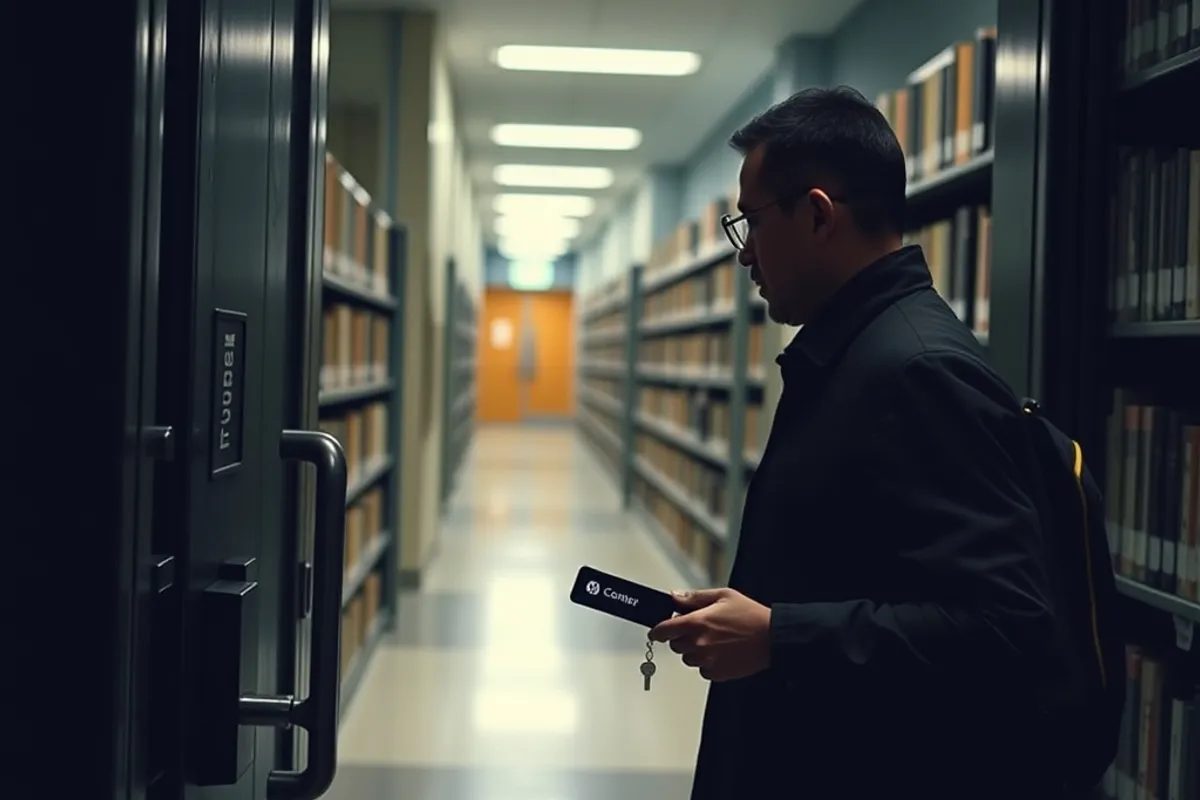
The setup is modest. Cardholders sign an agreement explaining the rules and the risks. A key card reader unlocks the door; the building's existing alarm and fire systems do the rest. A single attendant works the evening shift, mostly to help with computers and answer questions. Volunteers cover Saturday and Sunday afternoons.
The numbers after a year
The losses were tiny. Fewer than 40 items disappeared in the first year, roughly 0.3 percent of the collection and well within the normal range for libraries with full staff. Most of those were never returned rather than stolen, often by people who moved away. The bigger surprise was use: evening visits rose 61 percent, and the biggest gains came from students, shift workers and parents who could not make daytime hours.
The honor system also changed behavior in subtler ways. Staff report that patrons police each other gently, reminding strangers to keep food away from the computers or to lower their voices. The library feels less like a service counter and more like a shared living room. That atmosphere is difficult to measure but easy to notice.
"We stopped asking whether people deserved access and started asking what access makes possible."
Who it serves
The new hours matter most to people whose schedules do not fit a nine-to-five world. A home health aide studies for a certification exam after her rounds. A high school student whose house is crowded uses the quiet room to finish applications. A retired mechanic comes in at seven in the morning to read the papers and chat with whoever else is there.
The program has also become a modest social hub. The library added a coffee cart run by a local family, and a weekly puzzle night that started informally now draws a dozen regulars. None of this was in the original plan. It grew because the building was open and people had a reason to stay.

The risks that did not materialize
Critics predicted vandalism, theft and safety incidents. None rose meaningfully in the first year. The library did add a panic button at the front desk and a policy barring sleeping in the reading room, but those measures were already common before the change. The director credits the card agreement and the presence of regulars for keeping the space calm.
There have been problems. A burst pipe went unnoticed for hours because no staff were on site, and one patron had a medical emergency that required a call to emergency services. The board responded with better sensors and a clearer emergency protocol. The lesson was not that unstaffed access is risk-free, but that the risks are manageable with planning.

Could it work elsewhere?
The model depends on conditions that are not universal: a small, stable population, a culture of civic participation and a building with modern locks and alarms. In larger cities, the same approach would need more staff and stricter security. In towns with high turnover, the card agreement would be harder to enforce.
Still, the core idea travels. Most library systems already have the technology; what they lack is permission to experiment. The town's experience suggests that trust, clearly bounded and carefully monitored, can extend service hours without wrecking the collection or the budget.
Related reading: our story on community kitchens and the cost-of-living reset.