
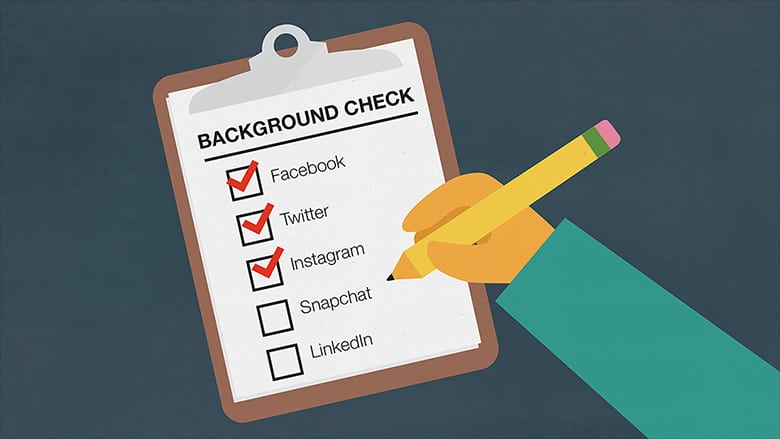
In today’s digital world, people leave behind a trail of information through their social media activity. Whether someone is networking professionally, meeting new people, researching potential business partners, or simply trying to understand an online connection better, public social profiles can offer valuable insights.
This growing interest has increased the popularity of the social media background check as a way to gather publicly available information from social platforms. However, finding information is only part of the challenge. Understanding what that information actually means is often much more difficult.
With countless profiles, posts, comments, photos, and interactions spread across multiple platforms, users need better ways to organize and interpret online information. This is where modern tools can make a significant difference.
Why Social Media Research Matters
Social media has become one of the largest sources of publicly available personal information. Many people share details about their interests, hobbies, professional achievements, travel experiences, and daily lives online.
A social media background check can help provide context that may not be available through traditional searches. It can reveal patterns of interests, communication styles, and public activities that help create a broader understanding of an individual.
However, public information should never be viewed as complete evidence about someone’s character or intentions. Social media provides clues and context, not absolute certainty.
Common Challenges When Reviewing Social Profiles
Although social platforms contain useful information, analyzing that information can quickly become overwhelming.
Information Is Spread Across Multiple Platforms
People often maintain accounts on several social networks. Important details may be scattered across different platforms, making it difficult to connect relevant information.
Posts Can Be Misinterpreted
A single post rarely tells the entire story. Humor, sarcasm, old content, or missing context can easily lead to incorrect assumptions.
Large Volumes of Content Create Noise
Years of activity can produce thousands of posts and interactions. Finding meaningful patterns among all that content is not always easy.
Because of these challenges, many people turn to specialized tools that help organize and interpret public information more effectively.
The Problem: Raw Information Doesn’t Always Create Understanding
One of the biggest weaknesses of a social media background check is that it often generates more information than clarity.
Users may discover dozens of public profiles, hundreds of posts, and countless interactions. Yet after reviewing everything, they may still struggle to answer important questions.
For example:
- What interests consistently appear over time?
- What topics receive the most attention?
- Are there recurring patterns worth noticing?
- Which details are meaningful and which are simply random activity?
Without proper organization, it becomes easy to focus on isolated posts while missing the larger picture.
How Socialprofiler AI Chatbot Helps Organize Scattered Information
Socialprofiler AI Chatbot was designed to help users make sense of publicly available social media information.
Rather than manually reviewing large amounts of content, users can enter a public social media profile and interact with the system through natural language questions. The experience feels similar to using GPT or Gemini, allowing users to explore information through conversation instead of endless scrolling.
This approach helps transform scattered information into a more structured and understandable format. Instead of collecting random details, users can focus on broader insights and recurring themes.
Using Socialprofiler AI Chatbot to Spot Meaningful Patterns
Patterns often reveal more than individual posts.
Socialprofiler AI Chatbot helps users identify recurring interests, behaviors, and discussion topics that appear throughout publicly available content. This makes it easier to recognize trends that might otherwise remain hidden within large amounts of information.
When conducting a social media background check, looking for repeated signals is usually more valuable than focusing on a single comment, photo, or status update.
By helping users recognize consistency across public activity, the tool encourages a more balanced and informed interpretation of available information.
Asking Better Questions with Socialprofiler AI Chatbot
Many people approach online research by searching for specific facts. While facts are important, better questions often lead to better insights.
Socialprofiler AI Chatbot allows users to ask practical questions about publicly available profiles. For example, users may explore interests, preferred activities, social habits, relationship indicators, or other patterns reflected within public content.
The value is not simply in collecting information. It is in creating a clearer framework for understanding that information.
Instead of jumping to conclusions, users can explore context and identify connections between different pieces of public data.
Why Socialprofiler AI Chatbot Helps Provide Context
Context is one of the most important factors in online research.
A social media background check can reveal many details, but those details do not always explain why something happened or what it truly means.
Socialprofiler AI Chatbot helps organize information in ways that encourage broader analysis rather than snap judgments. By presenting patterns and themes instead of isolated details, it supports a more thoughtful evaluation process.
This can be especially useful when users are reviewing large amounts of public information and trying to avoid common interpretation mistakes.
Looking Beyond Individual Posts
One of the most effective ways to understand public social activity is to focus on repeated behavior.
Consider the difference between:
- One travel photo versus years of travel-related content
- One comment about a topic versus ongoing discussions about it
- One public interaction versus consistent engagement with a community
- One opinion versus a long-term pattern of interests
Patterns often provide stronger context than isolated events. This principle applies regardless of which tools are being used.
The goal should always be understanding broader behavior rather than reacting to individual moments.
Responsible Use of Social Media Research Tools
Every social media background check should be conducted responsibly.
Users should remember several important principles:
- Use only publicly available information.
- Avoid making assumptions based on a single post.
- Look for repeated patterns instead of isolated signals.
- Consider the possibility of missing context.
- Verify important information whenever possible.
- Treat findings as clues rather than definitive proof.
Responsible research leads to more accurate conclusions and helps reduce unfair judgments.
Final Thoughts
Public social media content offers valuable opportunities to learn more about people, but information alone is not enough. The real challenge lies in organizing, interpreting, and understanding that information responsibly.
Modern tools are helping solve this problem by turning scattered online activity into clearer and more useful insights. Whether someone is conducting research for personal, professional, or networking purposes, the ability to identify patterns and context is becoming increasingly important.
As online information continues to grow, tools like Socialprofiler AI Chatbot can help users navigate public content more effectively, ask better questions, and make smarter decisions without relying on assumptions or isolated details. The most successful approach is not simply gathering information, but understanding it in a thoughtful and balanced way.
About the Author


